

Have you ever noticed how a clever movie quote or a perfectly timed meme in an ad grabs your attention in a flash? Pop culture nods give the ad a friendly wink, almost like it's saying, "I get you." In just a heartbeat, these familiar bits make you feel understood. Research even shows we only spend a few seconds on an ad, so a quick, memorable hit really counts. This piece explains how mixing today's trends with classic lines creates that buzz that keeps us all coming back for more.
How Pop Culture References Elevate Ad Engagement
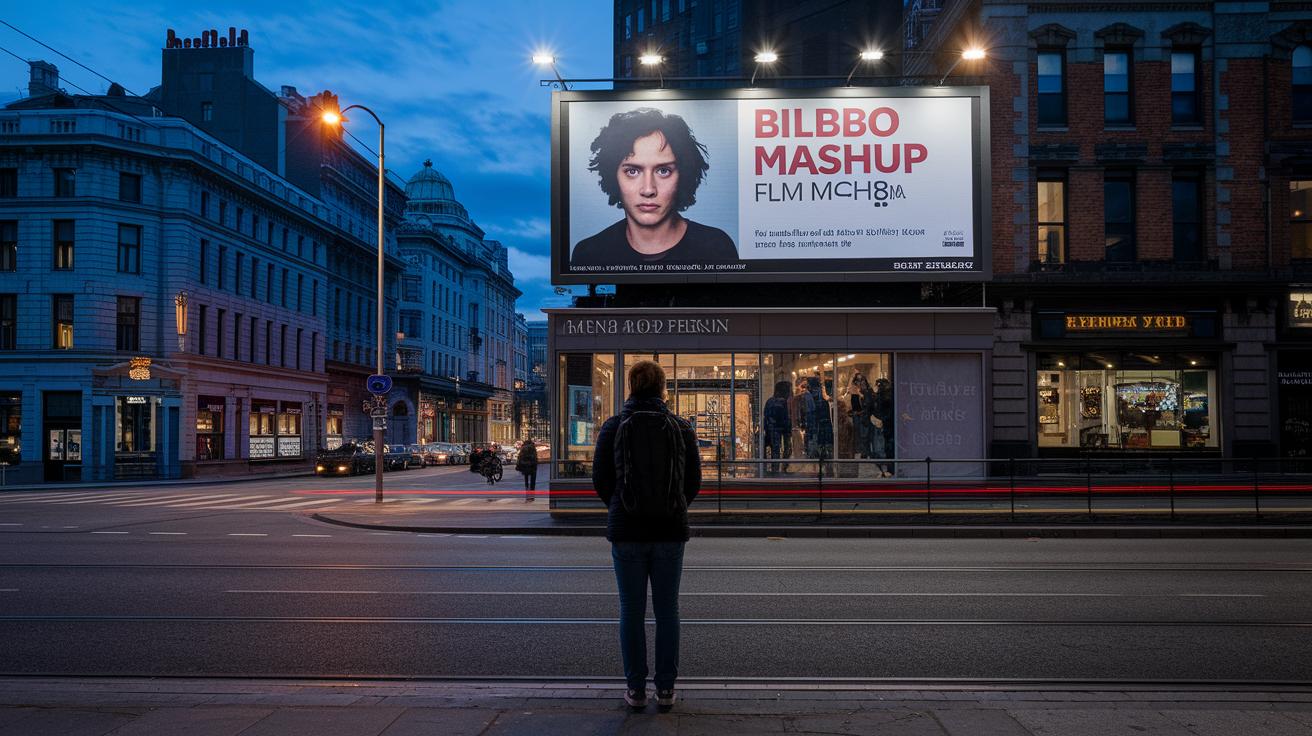
Pop culture references in ads grab your attention right away by mixing in familiar tunes, images, and quotes that feel like part of your everyday chat. Companies use memes, movie scenes, and classic quotes to hook you in almost instantly. A Microsoft 2015 study found that people only give an ad about 8 seconds of their time, so it's all about making a quick, memorable impact. Imagine scrolling on your phone and suddenly spotting a billboard look-alike from your favorite film, its fun catchphrase works like that viral meme you can’t help but share.
It’s not just about catching your eye; it’s also about feeling like you know the brand. Merging today’s trends with throwback icons helps advertisers connect with folks who love the same music, styles, and TV shows as they do. Ever notice how big events like the Oscars or Super Bowl flood social media with catchy hashtags and cool images? An ad that drops a well-known movie quote during sports season feels like a nod to both nostalgia and the here-and-now. This smart mix of old and new not only keeps brands relevant in our fast-paced digital world but also deepens that instant, relatable connection with every look.
Core Benefits of Nostalgic and Celebrity-Fueled Pop Culture Advertising
Nostalgia and star power come together like a magic mix that warms your heart and grabs your attention. Ads blending classic icons with a modern twist not only spark fond memories but also shout, "We're cool and current!" It feels just like spotting your favorite character in a new film scene, instantly pulling you into the experience.
- Emotional resonance through shared memories – Think about that moment when a classic TV line makes you smile and transports you back to simpler times.
- Increased social sharing and viral potential – These ads naturally get people talking online, making you want to share the fun with your friends.
- Extended demographic reach – Mixing vintage charm with today's trends hooks both longtime fans and curious newcomers.
- Enhanced brand credibility via celebrities – A well-known face brings instant trust and a genuine vibe to the brand.
- Cross-generational appeal – Combining nostalgic nods with a modern twist creates a bridge that brings all ages together.
- Memorable tie-ins to licensed entertainment properties – Partnering with beloved, licensed properties creates unforgettable moments that stick with you long after you’ve seen the ad.
This blend of past and present makes ads feel personal and memorable. It’s not just about a quick flash of brilliance, it’s about building a shared language between the brand and its audience. When an ad brings back those cherished memories or features a favorite icon, it does more than catch your eye; it sparks real conversations among friends and family. That perfect fusion of retro charm and today’s star power turns a simple campaign into a cultural moment that resonates long after the ad ends.
Lessons from Iconic Pop Culture-Driven Campaigns in Advertising

Pop culture-driven campaigns are like that awesome mixtape that blends your favorite beats with fresh surprises. They mix what we know and love with bold, eye-catching visuals that grab attention and leave you with a memorable vibe.
| Reference | Key Lesson | Outcome |
|---|---|---|
| Better Call Saul | Used a billboard that made a clear competitive statement | Delivered a clever and sharp message |
| A Star Is Born | Featured a Sunset Boulevard billboard that hinted at stardom | Boosted brand status by tapping into celebrity allure |
| The Simpsons | Showcased fictional billboards that nudged consumer behavior | Increased audience engagement and shifted traffic noticeably |
| Don’t Trust the B*tch in Apartment 23 | Placed a wallscape in an odd spot that highlighted creative placement challenges | Created unexpected messaging and left some viewers puzzled |
| I Love You, Man | Slapped together real estate billboards that felt off | Resulted in public annoyance and a drop in brand appeal |
| An American Pickle | Ran an insensitive vodka billboard that missed the mark | Stirred up public outcry and backlash |
Looking at these examples, it’s clear that smart pop culture references can really amplify a brand’s message and connect with fans. But when the design or context misses the mark, it can confuse people or harm the brand’s image. Next up, the key is to strike the perfect balance so that every pop culture nod resonates just right without any unintended twists.
Current Pop Culture Trend Techniques Shaping Advertising Strategies

Pop culture is racing through social media these days, and brands are catching every viral moment to stay in the limelight. Companies are now leaning on quick, data-driven methods (like tracking trends in real time and teaming up with influencers) to grab that buzz as it unfolds. This approach helps brands click with fans who crave fresh, engaging updates.
- Tracking trending hashtags and memes in real time to stay super relevant.
- Teaming up with online creators to reach tight-knit fan communities.
- Rolling out multi-channel campaigns that mix Instagram Stories, TikTok challenges, and even YouTube tie-ins.
- Using content made by real fans during big pop culture events for an authentic feel.
- Relying on tools that check the vibe (sentiment analysis) to smooth out messages before they go live.
- Creating immersive ads that blend viral visuals with coordinated social media pushes.
By jumping on these tactics, brands can quickly shift with cultural trends while keeping their content fresh and shareable. This lively strategy bridges the gap between classic campaigns and the fast-moving online world, ensuring their message stays vibrant and their audience stays hooked.
Navigating Risks and Best Practices for Using Pop Culture References in Ads

Using pop culture in ads is a great way to get people talking, but it can backfire if the references feel outdated, off-target, or even legally shaky. Imagine the vibe off a catchy beat when it suddenly drops, everyone notices, and it might leave your audience confused or even lead to a copyright headache.
The trick is to do your homework. Dive deep into what your audience digs and keep an eye on fresh trends. Pair this with a solid legal check and a quick pulse of audience feels. By researching what others are doing and making sure your ideas really click with your crowd, you can flip those potential mishaps into a major win for your brand.
Final Words
In the action, we dove into the art of using pop culture references in advertising, showing how memes, celebrity tie-ins, and nostalgic visuals capture hearts. The blog broke down key benefits, real campaign examples, and fresh digital twists that keep brands lively and current.
Every insight aims to spark creativity and help build dynamic, relatable narratives. Positive vibes all around for a future filled with engaging and vibrant brand stories.
FAQ
What do pop culture references in advertising examples show?
The pop culture references seen in advertising stand out by linking trending movies, jokes, and imagery with products, making ads feel lively, timely, and instantly relatable across platforms like Reddit.
What are pop culture references in marketing?
The term pop culture references covers well-known media elements like famous quotes or iconic imagery used in marketing, while pop culture in marketing uses these cues to create messages that resonate with today’s audiences.
What show has the most pop culture references?
A show recognized for its extensive use of cultural nods is The Simpsons, which frequently mixes familiar media allusions and clever commentary to spark engaging conversations among viewers.
What are examples of cultural references?
Examples of cultural references include memorable movie quotes, classic TV scenes, viral memes, and iconic images that quickly call familiar memories to mind and connect audiences with current trends.