

Have you ever wondered how one magazine can capture an entire era? Big Brother Magazine did just that back in '92. It shattered expectations with its bold style and rebellious spirit, talking straight to skate fans who craved something fresh.
Its raw stories and playful visuals stirred up a counterculture vibe that still feels real today. Now, by blending skate news with fun pop culture scoops and easy lifestyle tips, it offers a taste of true defiance mixed with smart insights.
This post takes you through the magazine's wild journey while celebrating how it changed the game in style and storytelling.
Big Brother Magazine: Timeless Style and Insight
Started back in 1992, Big Brother Magazine quickly made a name for itself by rocking a rebellious vibe and a raw, no-nonsense attitude. It broke the mold with a counterculture style that really spoke to skate fans. Right from the start, the magazine featured edgy stories, cheeky ads, and skate news that didn’t hold back, challenging the usual mainstream. By its second issue, with editor Tremaine taking the reins, its voice was bold and true to its roots.
Today, while it still honors its skateboarding heritage, Big Brother Magazine has grown to cover way more than just skate tricks. The website makes it super easy to sign up for updates and check out a mix of printed and digital editions. You can dive into past issues or stay up-to-date with new releases. Regular sections mix pop culture scoops with everything from daily horoscopes to lifestyle tips.
- Skateboarding news and features
- Music, lifestyle, and cultural commentary
- Daily horoscopes and updates on the moon’s phases
- In-depth interviews and cool video series
This magazine isn’t just about skate culture, it’s a hub for alternative media that brings together a creative and defiant community. Whether you prefer print or digital, the subscription options let you stay current with fresh content while also exploring classic issues that defined a whole generation. Big Brother Magazine keeps proving that it can stay true to its roots while constantly evolving its style and topics.
Big Brother Magazine History and Evolution in Skate Culture
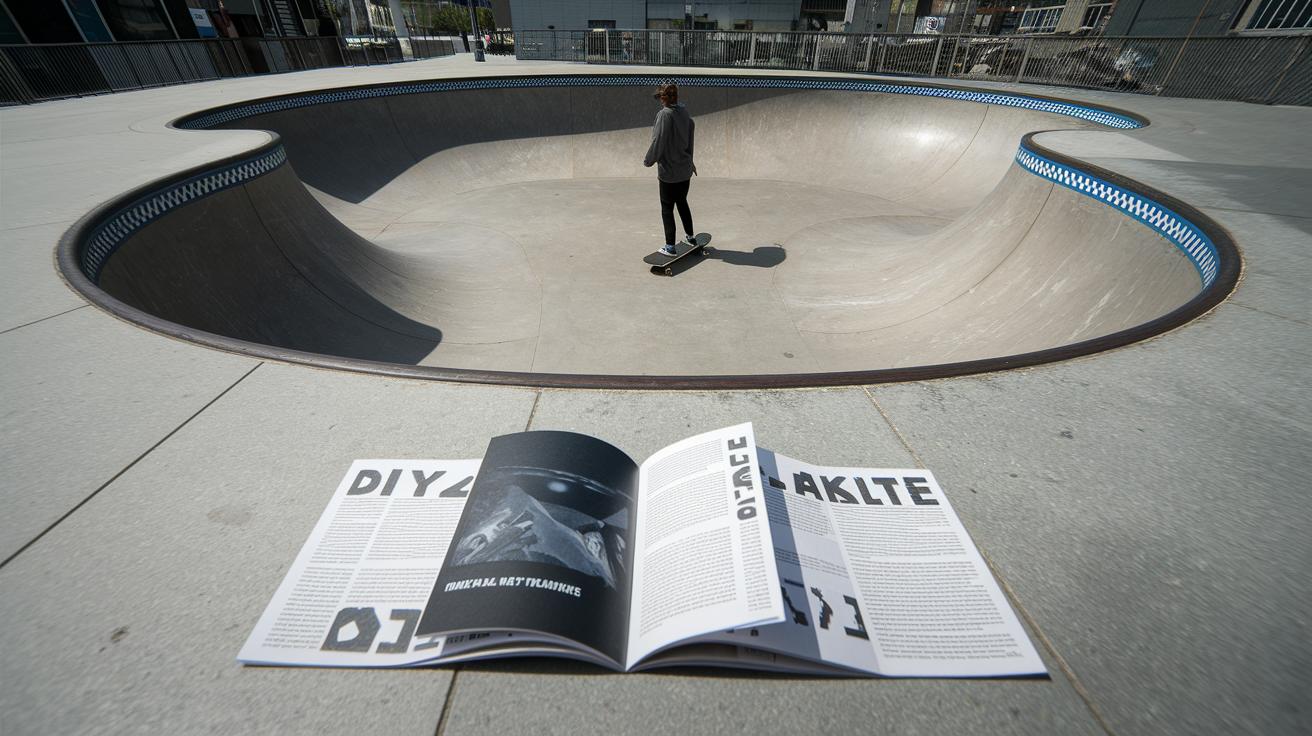
Imagine being thrown into the skate scene back in '92 when Steve Rocco kick-started Big Brother Magazine. It came out rough around the edges with a grainy, almost DIY print that screamed defiance and raw energy, instantly echoing the underground skate vibe. The pages buzzed with wild stories and offbeat art, making skaters feel like the magazine was speaking directly to their world.
By the time you hit the second issue, things had already shifted gears. Editor Tremaine stepped in, rocking a bolder marketing style and a voice that dared to challenge what everyone thought was normal. Interviews and old footage featuring icons like Rocco, Dave Carnie, Bam Margera, Jason "Wee Man" Acuña, and Steve-O mark that moment as a game-changer. Instead of just covering skateboarding, Big Brother began stirring up the whole culture, tweaking styles, reshaping attitudes, and even sparking debates among shop owners and more traditional magazines.
Issue #3 Controversy
Then came issue three, a real shocker. Its “How to Kill Yourself” feature pushed things way over the edge and turned heads in Ohio and California, drawing intense media heat from the states. Retailers started to worry, and carrying the magazine suddenly felt like a big risk. This bold move reinforced that Big Brother wasn’t afraid to break the rules. It was a clear sign of the risks and thrills of rocking the status quo in an already turbulent scene.
As the magazine rode the highs of pushing boundaries, it faced some rough patches like rising debt and edgy deals with Larry Flynt Publications, adding layers to its messy yet influential journey. In the end, those ups and downs only deepened its legacy in skateboarding culture and the world of alternative media.
Iconic Cover Designs and Editorial Style in Big Brother Magazine
Big Brother Magazine never held back when it came to its cover art. The magazine was all about bold moves and rebellious vibes. Issue #1 kicked things off with a DIY, hand-drawn style that practically shouted out rebellion, like art you could see jump off the page. Then, by Issue #2, with Tremaine at the helm, the covers exploded with bright color blocks that grabbed your attention right away, mixing raw, edgy creativity with a cool urban graffiti feel.
In the mid-1990s, things got even more exciting. The magazine began using tighter grid layouts that not only made the pages look cleaner but also pushed design trends in the underground scene. Every cover was a mini statement of artful defiance that still inspires fresh ideas today.
| Issue Number | Designer | Notable Feature |
|---|---|---|
| 1 | Original Team | Hand-drawn typography |
| 2 | Tremaine | Vibrant color blocks |
| 10 | Guest Artist | Graffiti-inspired illustration |
These covers were more than just pictures. They were snapshots of a fearless spirit that blended art with attitude, forever leaving a mark on the world of underground design.
Big Brother Magazine Archival Collections and Collectible Issues Guide
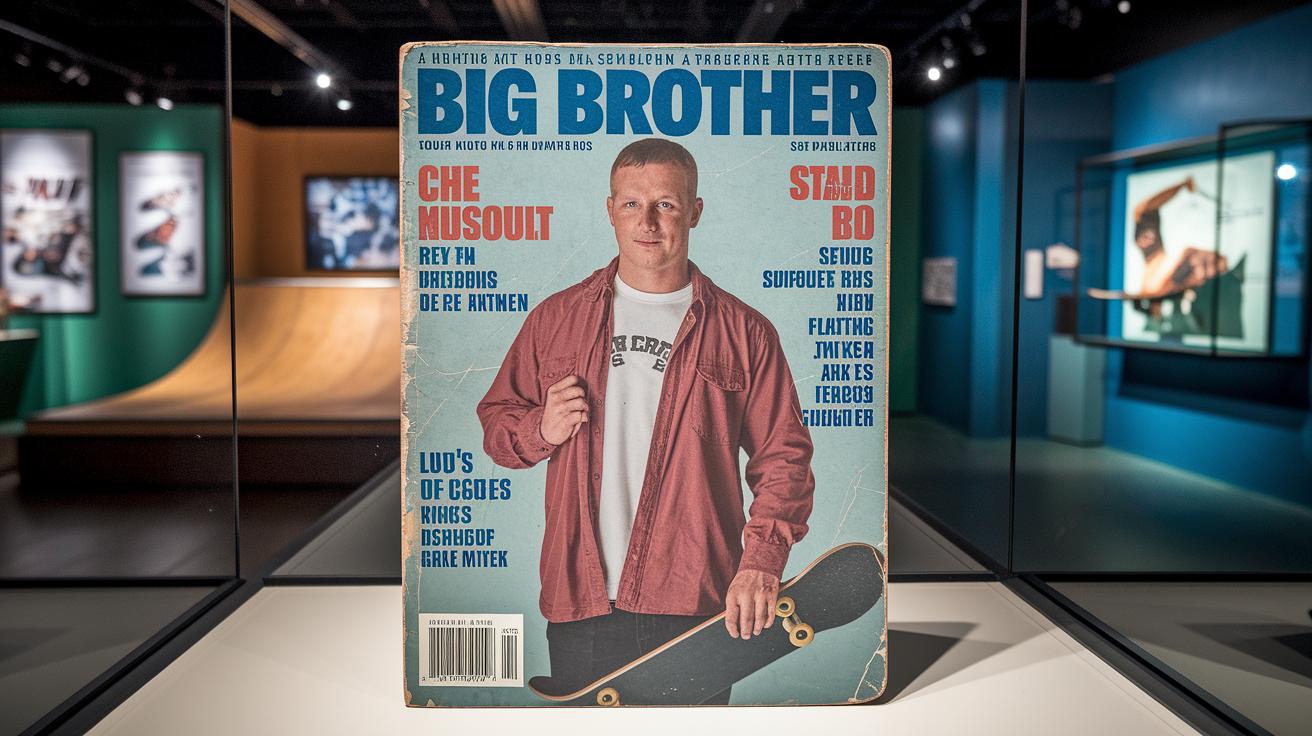
If you're a fan or collector of Big Brother Magazine, you're in for a cool ride into its bold past. The magazine has always been more than just printed pages, it’s a glimpse into a wild era of skate and pop culture. Imagine finding an old issue tucked away in a skate museum or a private stash, each page pulsing with the vibe of its time.
Over the years, some issues have really become treasure finds. The magazine's ever-changing design and daring stories capture moments of genuine rebellion that still spark interest today. Long-time collectors even have special archives filled with deep dives into issue numbers and publication counts, letting you follow the magazine's journey like it's your favorite road trip.
Next up, here are some of the top collectible issues:
| Issue/Item | Year | Description |
|---|---|---|
| Issue #1 | 1992 | Debut cover and original format |
| Issue #2 | 1992 | Tremaine’s editorial redesign |
| Issue #3 | 1992 | Controversial feature article |
| Issue #25 Anniversary | 2017 | Retrospective special |
| Limited Edition T-Shirt Bundle | Branded cover art featuring Big Brother’s style |
These standout editions don't just mark milestones, they offer real chunks of that daring spirit and energy that defined the magazine. Whether you're hunting for vintage archives or rare finds, each issue tells its own story of creativity and controversy. It’s a chance to feel the buzz of a time when skate and culture collided, making every page a piece of history you can hold and cherish.
Digital Access: PDF Repository and Subscription Options for Big Brother Magazine
Big Brother Magazine’s website lets you dive into its past with a digital PDF repository featuring scans of Issues 1 to 100. Imagine flipping through a treasure trove where every page is searchable by text, perfect for fans and researchers alike who want to relive those edgy, rebellious roots. Each issue stays true to its original flair, offering a genuine peek into how this iconic magazine evolved over time.
Subscription options are laid out in a clear, friendly way. You can choose from a print-only package, a digital-only option, or even a combo that sends you monthly email alerts about new issues and updates. These different plans make it easy to either stay in the know or build your personal archive of back issues, all while enjoying the magazine’s wild blend of skate culture and pop insights.
Note that while you won’t find free online video streaming, the site offers DVD compilations for documentary streaming. This distinct separation highlights the specialty of the digital PDF repository compared to the physical media selections.
Skateboarding Culture and Video Features of Big Brother Magazine

Big Brother Magazine jumped into video with a cool collab with VICE. They rolled out skate videos that captured the real buzz of city skateboarding. You’d see legends like Bam Margera and Jason “Wee Man” Acuña owning the screen, bringing energy and a genuine vibe. The visuals were raw and off the cuff, matching the magazine’s rebellious print style and its love for bold street culture. This really set a fresh, cool standard.
One standout moment was Sandro Dias's crazy drop from 229.6 feet in Porto Alegre. This clip had everyone on edge thanks to its daring feat and the edgy urban backdrop. Plus, you got a peek behind the scenes as the crew built awesome street-art settings that made everything pop. It wasn’t just about the adrenaline; it also showed a real look into the underground art scene, capturing the true skate spirit.
The video series ran from 1994 until the early 2000s and later hit DVD. These compilations mixed cool visuals with fun commentary that added a new layer to the magazine’s stories. Every DVD captured the hustle behind the scenes and the innovative process, letting fans relive those high-energy, counterculture moments. Overall, these releases turned the skate world into a timeless collectible, marking a truly revolutionary era.
Controversial Content and Cultural Impact of Big Brother Magazine
Big Brother Magazine really shook things up by pushing creative boundaries that completely changed our cultural chat. It got everyone asking how far daring content should go, with even the sharpest critics pondering what edgy storytelling means. Like, think about this: "Before sparking cultural debates, Big Brother Magazine had already been breaking safe rules with its fearless style."
Critics from all corners started weighing in on whether shaking things up might step over the line of social duty. This lively discussion grew into a deeper look at culture, moving beyond the usual pushbacks from retailers and predictable reviews, and zooming in on the buzz its bold choices created.
The impact on skate media was huge. Even well-known publications had to step back and rethink their game as Big Brother’s gutsy tone pushed them toward sharper, more punchy storytelling. That shift opened up a wider conversation about how groundbreaking content can light the fire for creative transformation.
In the world of independent publishing, Big Brother Magazine is still remembered as a true pioneer that sparked richer, more dynamic cultural talks. Its lasting influence is clear today, as challenging the norm remains a powerful way to inspire fresh, compelling perspectives.
Merchandise and Apparel Trends Inspired by Big Brother Magazine
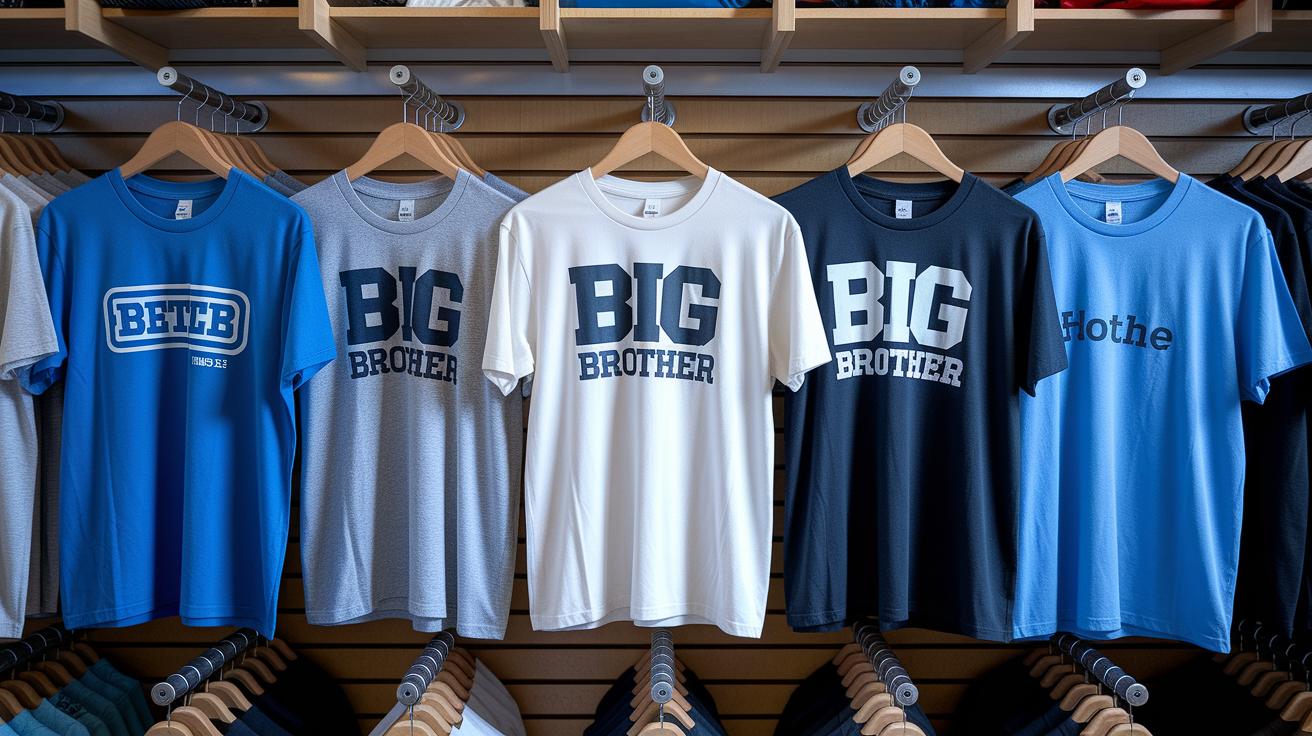
Big Brother Magazine’s rebellious vibe has been sparking cool trends for years. Its standout cover art has inspired shops to roll out tees, pins, and patches that exude that same edgy spirit. It’s like catching a glimpse of pure nostalgia, one glance and you’re hooked.
Skate shops and online stores are buzzing with these unique pieces. Every item, from those bold branded tees to the collectible pin badges and striking patches, carries a piece of the magazine’s fearless attitude. Each design feels like a shout-out to creativity and defiance.
And here’s the kicker: Limited-run bundles have become hot commodities. Savvy collectors keep an eye on these scarce releases, knowing well that a little rarity can turn into a big win on resale. It’s all about capturing that iconic look and letting it speak for itself.
Final Words
In the action, we explored the wild evolution of big brother magazine, from its edgy beginnings and iconic covers to its exclusive video features and retro merchandise trends. The post broke down key moments in skate culture, revealed digital access insights, and unpacked the buzz behind its controversial content.
Every piece painted a vivid picture of a publication that never held back. Stay excited and keep your eyes open for more epic pop culture moments ahead.