Culture
Fringe Culture: Exploring Bold Voices Beyond the Mainstream
By benbanks
November 22, 2026
Field Notes
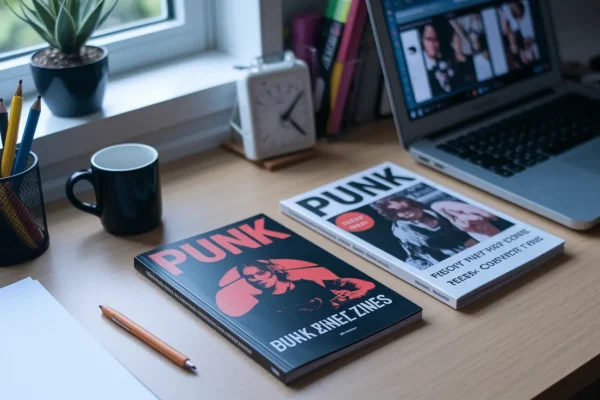
What if the ideas shaping your feed were born in someone’s garage, not a studio?
Fringe culture lives on the edges—in basements, niche forums, and tiny venues—where artists and groups try things the mainstream won’t.
These marginal scenes aren’t just weird curiosities; they’re labs for style, politics, and community.
This post explains what fringe culture really is, how it grew, and why those bold voices matter now: they test limits, build belonging, and often start trends that eventually rewrite pop culture.
What Is Fringe Culture?
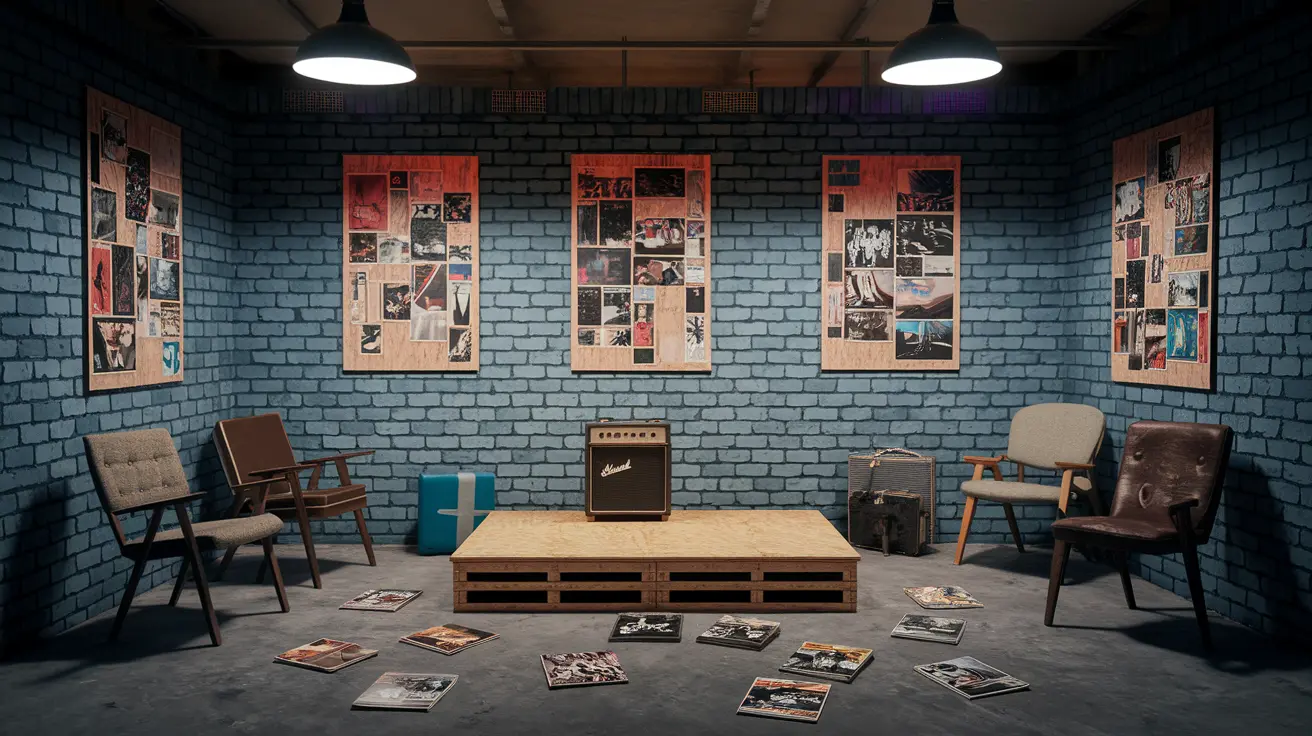
Fringe culture is the catch-all term for groups, artists, and movements that operate outside the center of mainstream life. It’s what happens on the edges, in basements, backyards, forums, and small venues, when people build something that doesn’t fit neatly into popular taste or commercial norms. You’ve probably already brushed up against it. Maybe you stumbled into a DIY show in someone’s garage, or scrolled through a niche online community that felt like its own little world.
Fringe status isn’t one single thing. A group can end up there because its beliefs are unconventional, its art is experimental, its visibility is limited by choice or circumstance, or because mainstream society has slapped a stigma on it. Sometimes fringe culture forms because people deliberately reject commercial culture and want nothing to do with it. Other times, a community just hasn’t been discovered yet, or doesn’t want to be.
It helps to get the vocabulary straight early. These words get tossed around like they mean the same thing, and they really don’t. Fringe culture, subculture, counterculture, and underground scene overlap, but each one carries a slightly different emphasis. None of this means unconventional automatically means dangerous or extremist. Most fringe communities are just people building an alternative, not a threat.
| Term | Core Meaning | Relationship to Mainstream | Example |
|---|---|---|---|
| Fringe culture | Activity existing beyond or beneath dominant institutions | Marginal, often invisible to mass audiences | Vaporwave artists sharing work online |
| Subculture | A distinct identity group within broader society | Coexists with mainstream, not always oppositional | Goth community |
| Counterculture | A movement actively challenging dominant values | Deliberately opposed to mainstream norms | 1960s hippie movement |
| Underground scene | A localized, often hidden network of creators and venues | Operates below mainstream visibility, sometimes by necessity | DIY punk house shows |
How Did Fringe Movements Develop Through History?
(((alt-img2)))
Fringe culture didn’t appear overnight. It’s been building for close to two centuries, with each wave responding to its own political mess, generational itch, or technological shift.
Here’s the short version of how we got here:
- 1830s to 1870s: Parisian bohemian communities challenge conventional middle-class life, trading stability for art and freedom.
- 1916 to 1920s: Dada and Surrealism reject established artistic and intellectual conventions, turning chaos and the subconscious into creative tools.
- 1950s to 1967: Beat and youth countercultures influence literature, art, politics, and alternative living, building toward the 1967 Summer of Love.
- 1974 to early 1980s: Punk emerges from 1974 to 1977, raw and confrontational, followed by goth’s development from post-punk’s darker edges.
- 1980s to 1990s: Cyberpunk and steampunk explore changing relationships between society and technology, one looking forward, one looking back.
- 2010 to 2014: Vaporwave illustrates the rise of an internet-native cultural movement, born entirely online rather than in a physical scene.
Look closely at any of these moments and the same ingredients show up again and again. Political disruption shakes loose old assumptions. New media, print, radio, the internet, gives marginal voices a way to reach each other. Economic pressure pushes young people toward cheaper, scrappier forms of expression. Dense urban networks let strangers with shared tastes actually find one another. And generational friction, the simple fact that each new group of young people wants something their parents didn’t have, keeps the cycle going. Fringe culture isn’t a one time rebellion. It’s a repeating pattern.
Which Fringe Subcultures Best Illustrate Alternative Culture?
(((alt-img3)))
Trying to describe fringe culture through one single stereotype doesn’t really work. Punks in Jakarta don’t look or operate like punks in Berlin. Goths meeting up in a Discord server aren’t doing the same thing as goths at a decades old club night in London. Case studies tell you more than a broad label ever could.
Punk Across Local and Global Scenes
Contemporary punk looks different depending on where you find it, but the core attitude travels well. A scene in Jakarta might center on anti-government messaging and community mutual aid, while a scene in a mid-sized American city leans into DIY venues and collective ownership of space. What stays constant is the preference for independence from commercial music infrastructure, and a general suspicion of authority, wherever that authority shows up.
Goth as a Continuing Cultural Identity
Goth has stuck around because it never stopped being a living identity. Shared music tastes, a recognizable dark aesthetic, long running club nights, and active online spaces all keep it going decades past its original moment. What’s interesting now is the variation. You’ll find goth communities built entirely around Instagram archives, and others that still meet in person every month at the same club, sometimes the exact same one they started at.
Contemporary Bohemian Identities
Modern bohemian identity shows up less as a costume and more as a life approach. Artists, freelancers, and creative workers borrow the framework to justify unconventional paths: communal housing, constant travel, patchwork income, resistance to the nine to five track. It’s less about berets and more about rejecting the idea that stability has to come before creativity.
Queer and Drag Scenes
Queer and drag spaces run on performance and self invention. Drag shows, ballroom culture, and queer nightlife function as spaces to experiment with identity and presentation in front of a chosen aud
Final Words
Right now you’ve got a clearer picture: fringe culture describes the art, groups, and styles that sit outside mainstream institutions and often form identity through DIY practices and recurring rituals.
We covered its history, live examples (punk, goth, queer, maker scenes), the tangible media and fashion that signal belonging, and how digital platforms amplify — and sometimes complicate — these movements.
If this interests you, support careful documentation, harm-reduction, and community-led preservation — fringe culture keeps evolving, and that energy matters.
FAQ
Q: Where did the word “fringe” come from?
A: The word “fringe” came from a term for decorative borders on fabric; it entered English via Old French and Middle English, later gaining a figurative sense meaning the margin or periphery.
Q: Are fringe dresses in style in 2026?
A: Fringe dresses are in style in 2026, appearing on runways, festival streetwear, and influencer feeds, driven by retro revivals and tactile textures, but popularity varies by season and region.
Q: Is fringe festival LGBTQ?
A: Fringe festivals are not inherently LGBTQ-specific; many are inclusive platforms showcasing diverse artists, including queer performers, and some festivals explicitly center LGBTQ programming, with policies varying by festival.
Q: Why is the Fringe so popular?
A: The Fringe is popular because it offers diverse, experimental shows, low entry barriers for artists, surprise discoveries, and a lively festival atmosphere that draws audiences seeking fresh, affordable live performance.