

Ever wonder if the 1950s lived up to the rock and roll buzz you’d hear blasting from every street corner? It was a time when everyday life transformed into a stage show, full of unforgettable music, movies, and fashion. Imagine the electric vibe of Elvis on stage, the shimmering magic of classic films, and style so cool it turned heads everywhere. In short, the '50s had a vintage charm that still lights up our imaginations today.
Cornerstones of 1950s Pop Culture: Music, Movies, Fashion, and Trends
The 1950s were bursting with a unique charm that lit up everyday life across America. Picture this: catchy tunes rocking out on jukeboxes while rock and roll (a wild mix that took bits of blues and jazz) set the stage for a teen culture that was as energetic as it was fun. In cinemas, films dazzled with glamorous plots, and TV shows like I Love Lucy quickly became the go-to delight in many homes, all amidst a time when modern gadgets and suburban dreams were on the rise.
It was a time of unforgettable icons who still inspire us today. Think of Elvis shaking up the music scene, while stars like Marilyn Monroe, James Dean, and Sophia Loren captivated hearts with their unmatched charm. These trendsetters didn’t just rule the screen, they sparked new fashions, changed how people thought, and influenced everyday style in ways that still echo today.
Every corner of American life buzzed with changes that told a story of hope and determination. Even the numbers from back then, like a population hitting 149,188,000, 3,288,000 folks out of work, a homicide rate of 5.3 per 100,000, and a Consumer Price Index of 77.1, paint a picture of a lively decade where optimism met innovation in a mix as vibrant as the era itself.
Rock and Roll Innovators and the 1950s Pop Culture Sound

Rock and roll burst onto the scene in the mid-50s, shaking up the music world with a punchy beat and raw energy. It all started with the hit "Rock Around the Clock" in 1954, a song that got teens off their seats and onto the dance floor. Mixing in elements of blues and jazz, this new sound quickly became the voice of young people hungry for something fresh and exciting.
Legends like Elvis Presley really put rock and roll on the map. His high-energy shows and unique style won over millions, sparking a wave of musicians eager to experiment with this new vibe. Before you knew it, the sound spread worldwide, giving American pop an unbeatable international twist.
| Song Title | Release Year |
|---|---|
| Rock Around the Clock | 1954 |
| Heartbreak Hotel | 1956 |
| Jailhouse Rock | 1957 |
| Blue Suede Shoes | 1956 |
| Johnny B. Goode | 1958 |
But rock and roll didn’t just stick to its own groove, it started mixing with other musical styles, breaking all the rules. Imagine adding a bit of country twang or a splash of rhythm and blues; these bold experiments made the music even richer and more versatile, proving that rock was a force meant to be felt far beyond the decade.
Hollywood and Pop Culture in the 1950s Film Scene
TV started to shake things up back then, as families began enjoying their evenings at home instead of going out to fancy theaters. With every household picking up a television, the charm of the movie theater began to fade. So, filmmakers had to think outside the box, crafting films that were richer and more immersive than what your living room screen could ever offer.
Legends like Marilyn Monroe, James Dean, and Sophia Loren became the must-see faces of the decade. Their performances were full of charm and a touch of raw grit, making movie nights unforgettable. Their star power didn’t just light up the screen, it turned every film into a real event that everyone talked about.
Studios switched gears by expanding film genres and rolling out widescreen presentations that made every scene burst with life. From epic adventures to intimate dramas, they used innovative techniques to offer visuals that TV just couldn’t match. This fresh approach not only set a new standard in movie-making but also reinforced Hollywood’s unrivaled influence on pop culture in the vibrant world of the 1950s.
Television’s Golden Age and 1950s Pop Culture
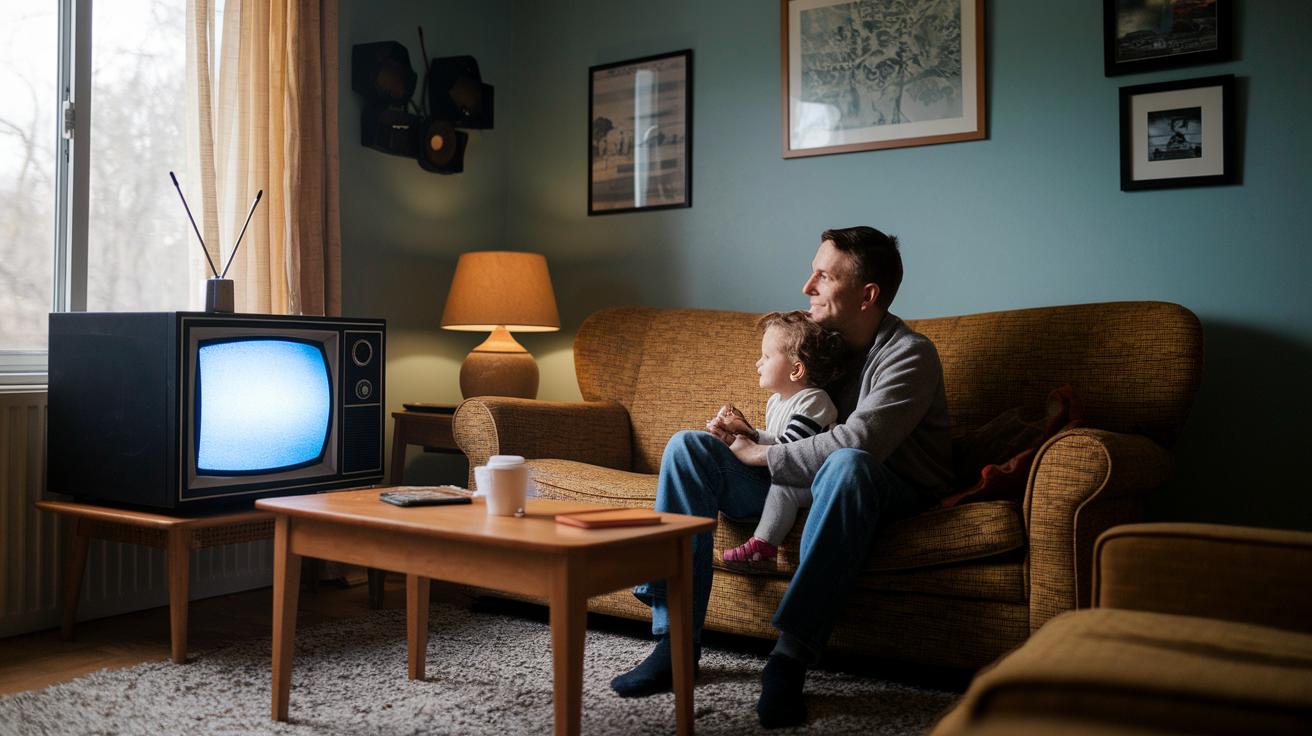
Back in the 1950s, TV burst into American homes and quickly stole the spotlight from radio. Families would huddle around the set after dinner, sharing laughs, suspense, and tender moments. It wasn’t just about kicking back; the television turned everyday routines into a comforting ritual for everyone.
Soon enough, TV shows started popping up with all kinds of genres that hit the mark for different tastes. Sitcoms offered playful escapes, while game shows invited you to join the fun right from your favorite chair. Many tuned in daily for soap operas, and Westerns whisked viewers away on daring adventures full of rugged heroes. Wow, talk about mixing things up!
| Genre | Example Show | Years |
|---|---|---|
| Sitcom | I Love Lucy | 1951–1957 |
| Game Show | $64,000 Question | 1955–1958 |
| Cartoon | Bullwinkle | 1959–1964 |
| Western | Gunsmoke | 1955–1975 |
With such a rich mix of shows, TV wasn’t just another gadget, it became a real cultural hub. It kept people hooked on stories that were lively, fun, and oh-so memorable for all ages.
pop culture in the1950s Radiant Vintage Charm
Women’s fashion in the 1950s got a fresh twist. Picture this: instead of the big, puffy dresses and cute poodle skirts of the past, women started rocking sleeker, pencil-like dresses that hugged their curves. It was like a bright afternoon where a simple pencil skirt paired with a chic blouse transformed traditional femininity into something modern, confident, and playful. Ever notice how a small change in style can make you feel unstoppable?
Men were on board with the reinvention too. They swapped out baggy looks for sharp, tailored suits featuring narrow lapels and clean lines. Add in a bold tie, a stylish hat, or a snazzy pocket square, and you’ve got a look that mixes precision with a dash of personality. Imagine a dapper guy strutting down the street, his suit perfectly fitted, effortlessly cool and ready to take on the day.
Hollywood and glossy magazines really turned up the heat on these trends, showcasing outfits that were equal parts retro and timeless. Celebrities on screen and in print made high fashion seem reachable, mixing smart, precise tailoring with fun, unexpected touches. Their style wasn’t just about looking good; it was about capturing a radiant, vintage vibe that made pop culture sparkle.
Social Dynamics Shaping Pop Culture in the 1950s

After the war, suburban living got a major glow-up as families started moving into brand new homes packed with modern gadgets. Imagine a neighborhood where every porch shines and houses are filled with sparkling refrigerators and humming washing machines that made everyday chores a snap. It wasn’t just about efficiency, it meant more time for fun and a true sense of community that completely reshaped how people felt about home and the cool technology around them.
Television quickly became the heart of the living room, lighting up homes with picture-perfect family scenes that looked almost too dreamy to be real. But outside those glowing screens, the news was buzzing with stories of teen rebellion and unexpected mischief. Young people began carving out their own unique culture that boldly challenged the old-fashioned images on TV. It sparked lively dinner table debates everywhere, keeping everyone guessing about what might come next.
At the same time, quirky beatnik coffeehouse meet-ups started popping up all over. Artists and free thinkers gathered in these laid-back spots, sharing ideas and music that celebrated freedom and fresh perspectives. These casual hangouts offered a first look at a counterculture ready to question the status quo, setting the stage for even bigger shifts in the years ahead.
Postwar Consumer Boom and 1950s Pop Culture Phenomena
Disneyland’s opening on July 17, 1955, was a huge leap for American pop culture. Built on 160 acres with a $17 million price tag (that was a pretty big deal), it pulled in 5 million visitors during its first year. Families and teens soon found themselves swept up in a world of imaginative rides, lively parades, and unforgettable shows. Imagine walking into a place that felt like a never-ending fairytale, where every corner brought a new burst of wonder.
Drive-in theaters, classic diners, and soda fountains quickly became the go-to hangouts of the era. Picture neon lights blinking as cars lined up under the starry sky to catch the latest movie. Meanwhile, diners and soda fountains buzzed with friendly chatter, dishing out tasty milkshakes and burgers that turned every visit into a cherished memory.
Snappy commercial jingles and collectible toy releases kept the 1950s pop culture vibe buzzing. Fun tunes echoed along busy streets, making ads instantly catchy, while each new toy drop became a treasure that both kids and the forever-young held onto as a piece of that sparkling decade.
Final Words
In the action, we cruised through the heart of 1950s entertainment, from the explosive sound of rock and roll to the film magic of Hollywood and the charm of classic TV. We explored fresh fashion trends and the social vibes shaping everyday life, while also touching on the consumer boom that defined the era.
This whirlwind overview leaves you with a clearer snap of pop culture in the 1950s. Enjoy the ride!
FAQ
Q: What are famous pop culture icons from the 1950s?
A: The famous pop culture icons of the 1950s include Elvis Presley, Marilyn Monroe, and James Dean, who shaped music, film, and style with lasting influence on American society.
Q: What major cultural trends defined the 1950s era?
A: The 1950s era was known for the rise of rock ‘n’ roll, groundbreaking television shows, stylish fashion trends, and a booming consumer lifestyle that reflected postwar optimism and emerging youth rebellion.
Q: What major events happened in America during the 1950s?
A: Major events in 1950s America included suburban expansion, landmark openings like Disneyland, shifting cultural values, and notable media achievements that redefined national identity after World War II.
Q: How did youth culture emerge and impact the 1950s?
A: Youth culture in the 1950s burst onto the scene through rebellious music, trendy fashions like poodle skirts, and a focus on teen lifestyles that significantly influenced media and consumer habits.
Q: What popular media and cultural elements defined 1950s pop culture?
A: Popular media in the 1950s featured iconic TV series such as I Love Lucy, blockbuster films starring Marilyn Monroe and James Dean, and the groundbreaking birth of rock and roll, each leaving a lasting mark on culture.
Q: What role did literature and art play in 1950s pop culture?
A: Literature and art in the 1950s mirrored evolving social dynamics by blending traditional themes with modern perspectives, resulting in creative works that deeply engaged audiences and reshaped storytelling.