

Imagine a world where every record spin sparked a burst of creativity. The 1970s were all about catchy beats, funky outfits, and bold social changes. Clubs buzzed with the sound of disco (a type of dance music), and everyday challenges made people mix style and fun in totally unexpected ways. Looking back, you can see how those vibrant tunes and daring moves reshaped pop culture, leaving a beat that still inspires us today.
Defining the 1970s Pop Culture Landscape
Back in 1970, America was buzzing with life, around 205 million people calling the country home! Even though about 4,088,000 folks were wrestling with job challenges, this mix of struggle and determination sparked an explosion of creativity, setting the stage for a pop culture revolution.
Economic shifts were as clear as day. Take the Consumer Price Index reading of 116.3 (with 1967 as a base), for instance, it was like a snapshot of everyday life being remixed. Folks started questioning their daily routines, and that ripple effect touched everything from music beats to what they wore on the street. It was as if each price change nudged people to rethink how they connected with the art and styles around them.
Then there’s a deeper look at the social scene. With a social homicide rate of 8.3 per 100,000, you can sense that undercurrent of tension and the call for safer, tighter-knit communities. Yet amid these challenges, hope was in the air. Women, fresh off hard-won battles for economic and political rights, began to reshape the face of pop culture. Their bold new perspectives flipped the script on media images, proving that change wasn’t just a dream, it was a must-have.
Ultimately, the 1970s were about more than just statistics. Every number told a story of youth, courage, and a fierce desire to break the mold. The era’s vibrant debates and evolving tastes remind us how a spark of creative energy can redefine our entire cultural landscape.
Disco and Live Music in 1970s Pop Culture
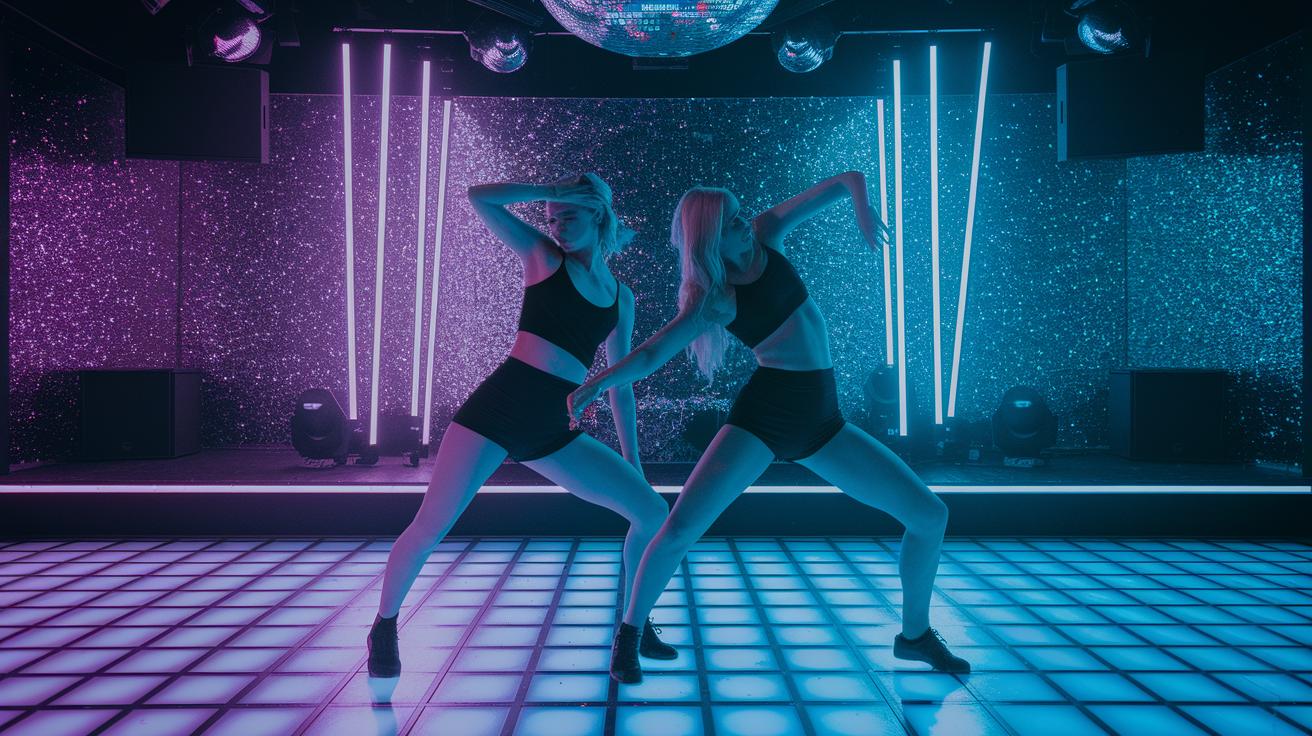
Back in the 60s and 70s, music totally flipped the script for young people. Instead of just sitting around and listening to the radio, everyone grabbed their own record player and hit up disco clubs. Imagine walking into a club filled with neon lights and the buzz of excitement, you’d feel like you just stepped into a mini dance revolution. Music wasn’t just a background hum; it was the pulse of the era.
Then came the festival scene. Outdoor gigs exploded everywhere, drawing huge crowds who craved live performance thrills. It was like one giant, unforgettable block party, where funk, soul, rock, and a hint of disco all blended together into a vibrant musical cocktail. These live shows turned every performance into a shared, electric memory.
And of course, the legends of that era played a huge role. You had pop icons experimenting with sounds that still echo today. Museums even started collecting early ’70s concert memorabilia, keeping the magic of those live gigs alive. It wasn’t just about playing records, it was about diving into the raw, live experience where every beat marked a moment of cultural change.
Cinematic Revolution in 1970s Pop Culture
Movies from the 1970s broke all the old rules. They got bold, taking on topics that had never hit the screen before, think of a gritty, dimly lit drama that makes you pause and really question your world. One minute you're caught by the raw energy of a breakout star, and the next you're swept away by a legendary soundtrack that defined an era.
Late-night showings turned these films into cult favorites. Imagine sitting in a packed, dark theater with friends, every twist on screen sparking gasps and laughter. Each scene felt like a secret conversation among die-hard fans. These movies weren't just a way to pass the time; they captured the true spirit of the decade by mixing intense energy with an artistic flair.
This groundbreaking era of cinema reshaped pop culture by blending fearless storytelling with eye-catching visuals, leaving behind a legacy that continues to spark inspiration in filmmakers and fans everywhere.
Small-Screen Phenomena of 1970s Pop Culture

TV in the 1970s totally flipped how we saw the world. Shows started pushing boundaries, mixing humor with clever satire to poke fun at the everyday rules we all took for granted. Casts dove into topics like race, gender, and politics, making your favorite prime-time programs feel like real reflections of a changing world.
Think about gathering around the TV with family or friends as diverse ensembles brought quirky characters to life. Every episode built on the last, inviting us to follow deep, evolving stories that truly captured the spirit of the day. Remember that hit series that fused silly slapstick humor with sharp political commentary? It had us laughing while sparking unexpected debates that carried well beyond late-night TV.
TV turned into a lively stage where cultural revolutions unfolded right in our living rooms. By daring to challenge the old ways and inviting us to both laugh at and learn from modern issues, '70s television wasn’t just about entertainment, it laid the groundwork for how we see and talk about everything today.
Style Shifts and Fashion in 1970s Pop Culture
Step into the vibrant 1970s, a time when fashion meant making bold statements. Picture this: trendsetters sporting jumpsuits, snug turtlenecks, and cheeky hot pants that screamed individuality. Ever imagine someone stepping into a disco in a dazzling, shimmering jumpsuit with eye-catching accessories? It was like the pulsating energy of a live dance floor coming alive through their style.
Everywhere you looked, retro inspirations were at play, bell-bottoms and vintage silhouettes turned ordinary streets into runways. In the heart of disco clubs, sequined outfits dazzled like tiny stars under the spotlight. Think of it this way: before the music hit its peak, the look was all about capturing that disco ball sparkle in everyday wear. Fashion wasn’t just something you put on, it was a performance art blending casual chic with artistic flair.
Throughout the years, picture-perfect fashion timelines filled with over 100 iconic images show this stunning evolution. Each snapshot reveals daring self-expression and freewheeling creativity, mixing everyday wear with cultural movements. These style changes didn’t just update closets, they reshaped how people saw beauty and creativity.
This magical era turned simple clothes into works of art, leaving a permanent mark on modern style. Disco vibes and playful trends continue to inspire today, reminding us that sometimes, bold choices can transform everyday life into an unforgettable celebration.
Social Currents and Legacy of 1970s Pop Culture
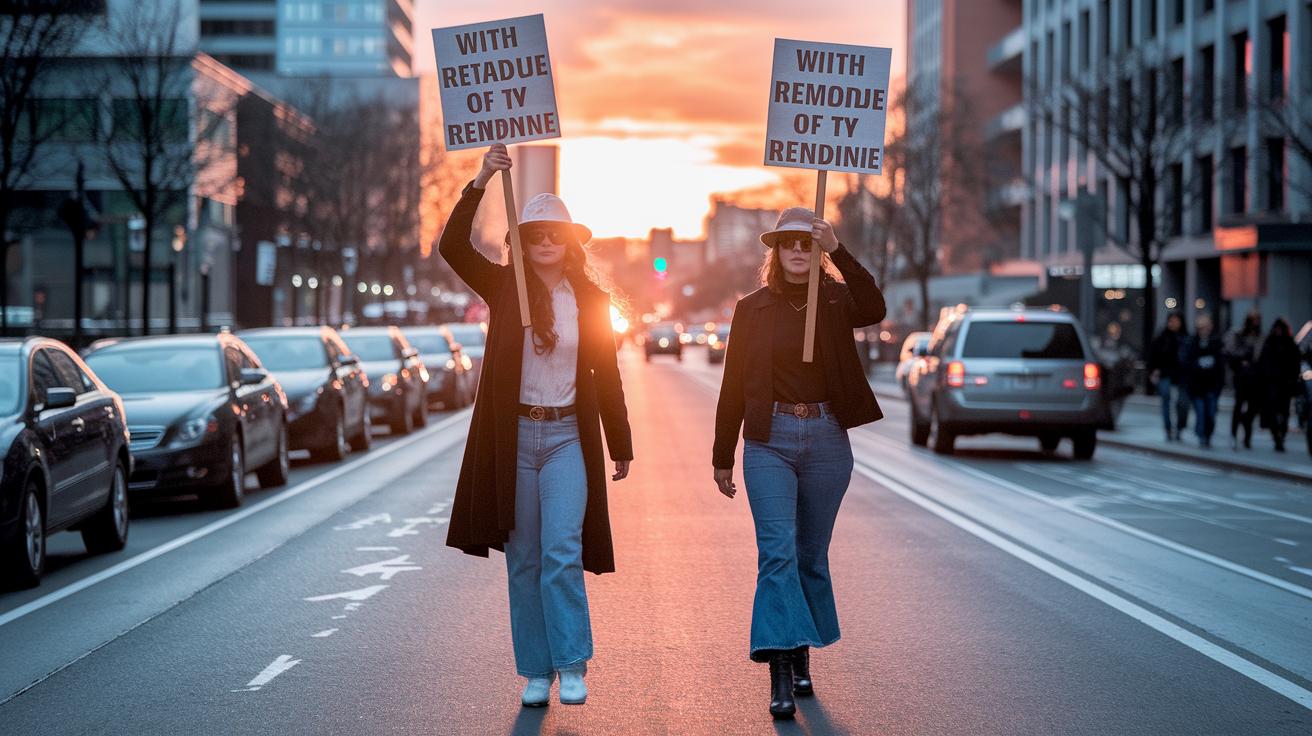
Even though the '70s dazzled us with rocking tunes and eye-catching styles, there was a deeper current flowing through society that still hits home today. Back then, fresh ideas about fairness boosted rights for women, both politically and economically. And as young voices stirred up a wild rebellion, they reshaped how movements could influence art, music, and everyday life. People started questioning old rules and diving into a vibe of inclusivity and change.
Think about the shock from the 1972 Munich Olympics tragedy, it made everyone pause and rethink what it meant to be a nation and a global community. That event rattled the world, casting a bold, countercultural shadow where protest and art merged into powerful statements. Communities came together, remembering those lost and demanding that leaders address the challenges that troubled society.
Every protest, movement, and policy tweak from those days helped build a legacy that still echoes in today’s pop culture. Creators captured the raw emotion of the time in music, films, and TV, turning it all into unforgettable art. They mixed stories of hope with acts of resistance, bridging the gap between the glitz of mainstream trends and the grit of grassroots efforts. It was a blend of high ambition with street-level passion, a combo that continues to spark creativity.
The rebellious spirit of the '70s set the stage for a future where activism and entertainment mix effortlessly. Countercultural ideas pushed the limits in music, fashion, and media, mirroring a public hungry for real change. Those daring protests and vibrant cultural expressions lit a spark that still glows in our art today, reminding us that big change often starts with a simple act of speaking out. The bold moves of that era still stir up inspiration for new generations, urging us to keep stepping up and pushing forward.
Final Words
In the action, we took a whirlwind tour through one of history’s coolest eras, exploring the music, movies, television, fashion, and social shifts that made the decade so unforgettable. Each section painted a vivid picture, from the rhythmic pulse of disco clubs to the innovative cinematic storytelling that shaped fan favorites. The blog celebrated the spirit and creativity behind pop culture of the 1970s, leaving us with plenty of inspiration and a joyful nod to a vibrant past.
FAQ
What were the key features of 1970s pop culture?
The pop culture of the 1970s featured evolving fashion, groundbreaking music, influential film moments, and shifting social values that created a lively and diverse creative scene.
What was famous in 1970s pop culture?
The 1970s became famous for its disco beats, innovative concerts, bold film releases, and unique fashion trends that captured the spirit of a rapidly changing social landscape.
How did 1970s fashion define the era?
1970s fashion defined the era with bold looks like bell-bottoms, hot pants, and flashy styles influenced by disco clubs, making a lasting impact on creative self-expression.
Who were the iconic figures in 1970s pop culture?
Iconic figures in 1970s pop culture include musicians, actors, and artists who set trends in music and film while inspiring a generation with their groundbreaking work and style.
What major events shaped the 1970s pop culture timeline?
The 1970s timeline was marked by key events such as massive live concerts, influential film releases, and significant social movements that collectively defined the decade’s creative vibe.
How did 1970s music impact entertainment?
The 1970s music scene transformed entertainment through disco, funk, soul, and rock genres, fueling live festivals and record-breaking hits that quickly became the heartbeat of the decade.
What role did cinema play in 1970s pop culture?
Cinema in the 1970s pushed creative boundaries with daring narratives and cult classics, launching careers and shaping film trends by blending innovative storytelling with memorable soundtracks.
How did television shape pop culture during the 1970s?
Television during the 1970s brought social issues and humor together, using ensemble casts and engaging storytelling to mirror cultural shifts and influence mainstream tastes.