

Ever notice how a live concert can feel like a sudden burst of magic? It’s like stepping into a world where every beat connects us in ways we didn’t even expect.
Pop culture naturally grabs our attention because it hits that sweet spot where we crave connection and excitement. It’s not just about catchy tunes or dazzling lights; it’s about the way our feelings mix with every shared moment, like when the stage lights shimmer and the crowd cheers as one.
When our brains light up with joy and that warm feeling of togetherness (thanks to our feel-good chemicals), even a simple show turns into a memorable escape. In truth, the science behind pop culture shows us that these hidden forces create trends that keep pulling us back for that electrifying rush.
Psychological Foundations Behind Pop Culture Trends
Pop culture psychology digs into why we’re so hooked on concerts and trending movies. It shows that our feelings and friendships shape our fun, turning a busy night into a quick escape where the shimmer of stage lights and the roar of a cheering crowd feel almost magical.
This field is important because it connects everyday entertainment with big ideas from media and cultural studies. When you and others scramble for tickets or squeeze in next to strangers at a concert, it’s more than just a good time, it’s a deep need for connection and a break from the daily grind. That buzz you feel is powered by a rush of happy chemicals (like dopamine and serotonin) that remind us of classic gatherings with friends.
- escapism
- social identity theory (how we connect with others through shared interests)
- reward systems (the brain’s way of celebrating fun moments)
- emotional contagion (when one person’s joy lifts everyone else)
- parasocial connections (feeling close to a celebrity like a friend)
- narrative immersion (getting lost in a live story)
These ideas explain why a concert can feel almost like a modern ritual. Escapism is the magic that lets you drop your everyday worries, and social identity theory shows how we bond with our favorite stars. Our brain’s reward system makes every cheer and burst of energy truly thrilling, while emotional contagion means one booming cheer can elevate the whole crowd’s spirit. Parasocial connections turn celebrities into pals, and narrative immersion pulls you right into the unfolding live story. In the end, these insights merge the science behind our reactions with the pure, vibrant energy of pop culture.
Parasocial Dynamics and Celebrity Influence in Pop Culture Psychology

Parasocial relationships are these one-sided connections where fans feel like they know their favorite stars on a personal level, even if the celebrities don't even realize we exist. Imagine being at a rocking concert that feels more like a family reunion, where every shared glance and shout of joy deepens that special bond. In those moments, the line between pure admiration and personal identity gets all blurry, mixing our love for pop icons with a burst of social validation.
Six out of 10 Gen Zers proudly proclaim themselves superfans, pouring both their hearts and wallets into their adoration. Think about the Swifties whose credit card splurges in Singapore sent financial ripples, or the Beyhive turning a simple tour into a full-on style extravaganza. These moments show how intense loyalty helps fans carve out a unique part of their own identity, even as it fuels a broader cultural movement. Every cheer, every social media like, builds up the undeniable influence of these pop culture legends.
Artists are now rethinking the boundaries of this connection. Sometimes, fans can get a bit too personal, and that’s when stars like Doja Cat switch things up by challenging our ideas of closeness and appropriate behavior. For more on these evolving fan boundaries, check out this celebrity gossip (https://poposy.com?p=124) that sheds light on how the rules of engagement are shifting right before our eyes.
Emotional Contagion and Neurochemical Responses in Pop Culture Psychology
Imagine your favorite star striding onto the stage. It isn’t just a pretty picture, it kicks off a full-blown chemical fiesta in your brain. Your body floods with happy chemicals like dopamine (the feel-good juice) and serotonin (the mood booster), which blast you with a surge of joy and connection. Every note, every cheer, turns a live event into a shared, electrifying moment where excitement feels almost tangible.
At a buzzing concert, you can practically see the emotions spreading like wildfire. A single burst of laughter or a joyful shout from one person can rapidly turn into a wave of cheers, giggles, and even a few happy tears bubbling through the crowd.
For instance, at a rocking gig not too long ago, one fan’s spontaneous cry sparked a chain reaction. In no time, the venue was alive with a mix of screams, tears, and unfiltered bursts of joy that perfectly showcased how emotional vibes can take control, uniting everyone in a dynamic, heartwarming rush.
Fan Community Dynamics and Digital Social Cognition in Pop Culture Psychology
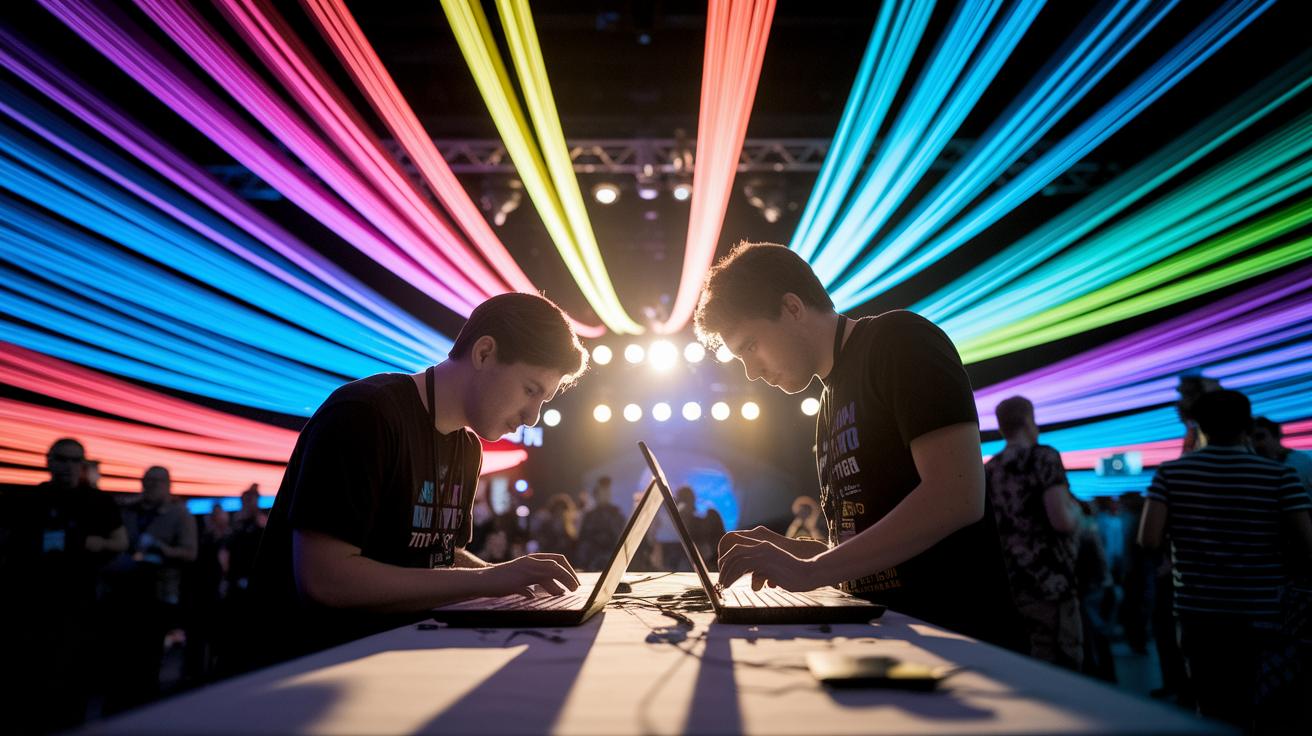
Digital fandom is really shaking things up in how we connect online with our favorite stars. Nowadays, platforms make it super easy for die-hard fans to band together, chat about their passions, and even help shape the vibe around the icons they love. These digital hangouts spark friendships and community ties that often leap off the screen into real-life meet-ups and lively celebrations.
STAN-CON: Origins and community-centered structure
STAN-CON kicked off with a simple, powerful idea, bringing fans closer both online and offline. It started as a grassroots effort where pure enthusiasm met organized fan gatherings, turning casual digital exchanges into real-life connections. Fans dive into immersive experiences that not only boost their bond with each other but also create a shared identity built on support and creative flair.
Swiftogeddon: Decentralized mobilization tactics
Next up is Swiftogeddon, a campaign that perfectly captures the spirit of decentralized fandom. Think of it as fans using everything from social media to instant messaging to rally around brilliant, out-of-the-box ideas in a flash. This volunteer-led movement is redefining what it means to be a fan, stirring up trends and sending ripples through both online spaces and live events.
At its heart, fan communities have become buzzing hubs of connection where every shared moment or chat helps build a lasting sense of identity. These ever-changing spaces keep pushing the limits of collective behavior and cultural influence, truly a vibrant slice of today’s pop culture scene.
Boundary Management and Norms in Pop Culture Psychology
Concert rules have become a hot topic among Gen Z fans lately, as everyone wonders what's cool and what's crossing the line at a live show. Some wild fan antics have sparked talks about when a deep, almost personal connection (think of it like feeling you really know the star) goes too far into harassment or entitlement. When fans get too pushy or ignore basic social cues, it throws off the vibe and makes the whole experience uncomfortable. It’s got people rethinking what being a great fan really means, staying close enough to be part of the excitement, but also respecting everyone’s personal space.
To tackle this, artists are stepping in and explaining just how close fans should get. Big names like Doja Cat are encouraging everyone to keep it respectful, ensuring that shows remain fun and safe. These efforts are part of a bigger plan to mix genuine passion with a little bit of good manners. By setting clear limits and highlighting the need for mutual respect, celebs are guiding fans toward better behavior. At the end of the day, true support for your favorite star is all about enjoying the magic of the moment without overstepping anyone's comfort zone.
Emerging Trends and Future Directions in Pop Culture Psychology

Technology is flipping the script on live events, turning your usual concert into a whole new adventure. Think about it: immersive tech like virtual reality (tech that creates a digital world you can feel inside) and smart algorithms that pick just the right tunes and visuals for you. It’s like stepping into a movie where your favorite star is right there with you.
Check out some of the coolest trends making waves:
- immersive VR concerts – transforming a live show into a surround-sound digital wonderland
- AI-personalized fan content – crafting moments that feel made just for you
- neuromarketing integration – using brain signals (how your mind reacts) to create the perfect vibe
- decentralized fandom platforms – letting fans shape the conversation and build their own community
These shifts really hit home with what we know about how we connect and build our identities. When you jump into a virtual world, you tap into a deep need for escape and belonging. And with AI and neuromarketing, those feel-good moments get a touch of extra magic. Together, it’s clear that technology and our emotions are teaming up to completely refresh the pop culture scene in exciting new ways.
Final Words
In the action, we explored how pop culture shapes our world with live events offering a burst of fun and digital fan groups sparking conversations. We looked at how the rush of seeing idols live mixes with the way our minds work, from mutual excitement at concerts to how online bonds tie us together.
All these points bring light to the psychology of pop culture. The insights remind us that every pop moment is a chance to feel connected and live life with a little extra thrill.
FAQ
What is pop culture psychology or the psychology of popular media culture?
The pop culture psychology examines how media, trends, and celebrity behavior shape our thoughts and feelings. It studies why we feel a strong connection with music, movies, and online phenomena.
Where can I find reliable sources and examples of pop culture psychology?
The psychology of pop culture is discussed in books, articles, and research papers that include detailed examples, statistical impacts, and media case studies. These sources offer practical insights and real-world illustrations.
What are the three main theories of popular culture?
The three main theories center on social identity, parasocial interaction (one-sided relationships with celebrities), and narrative immersion (engaging deeply with media stories) to explain audience behavior and cultural trends.
What is the pop culture paradox?
The pop culture paradox highlights how widespread trends can unite diverse groups while also promoting unique personal identities, creating a seemingly contradictory blend of conformity and individuality in media consumption.