

Markets teach humility. Over the last four years our trading desk has endured three gut-wrenching drawdowns that sliced more than a quarter of capital each time. In this thread-turned-article you’ll see the numbers, the emotions and, most importantly, the takeaways that helped us claw back every rupee. Whether you manage a personal portfolio or run a fund, these stories reveal how risk management, position sizing and sheer discipline keep you in the game. We’ve packaged each loss as a mini case study followed by the actionable lessons we extracted. Read on, save it, and avoid paying the same tuition fees we did.
Monday Meltdown: The Nirmala Candle

Monday 23 September 2019 looked harmless until finance minister Nirmala Sitharaman’s surprise corporate-tax cut pushed futures limit-up on Friday and sucked liquidity from Monday’s open. We entered the session long mid-caps with ₹46 lakh deployed, expecting follow-through. Instead a gigantic first-minute candle reversed 4 per cent in seconds, tripping our staggered stop-losses, but slippage turned a planned 10 per cent risk into a 26 per cent hit, ₹12 lakh evaporated before coffee. Worse, the spike violated option wings we thought were safe. Emotionally we felt paralysed, watching red ticks instead of executing. It took seventeen agonising Mondays, 18 weeks, to regain our high-water mark.
Lesson Pack #1: Respect The Gap

That first disaster hammered home four truths. One, never hold oversized positions over a policy weekend; news gaps laugh at spreadsheets. Two, build stop-orders outside obvious liquidity pockets so algorithms can’t exploit your panic. Three, always hedge directional exposure with options that still carry premium after extraordinary moves, deep OTM wings are cosmetic. Finally, detach ego from setups. Our analysis was right, but size was wrong; risk per trade must shrink as volatility accelerates. By reducing unit size 40 per cent and enforcing a ‘one-loss-per-day’ rule, we prevented any single candle from derailing an entire quarter again.
Pandemic Free-Fall: March 2020
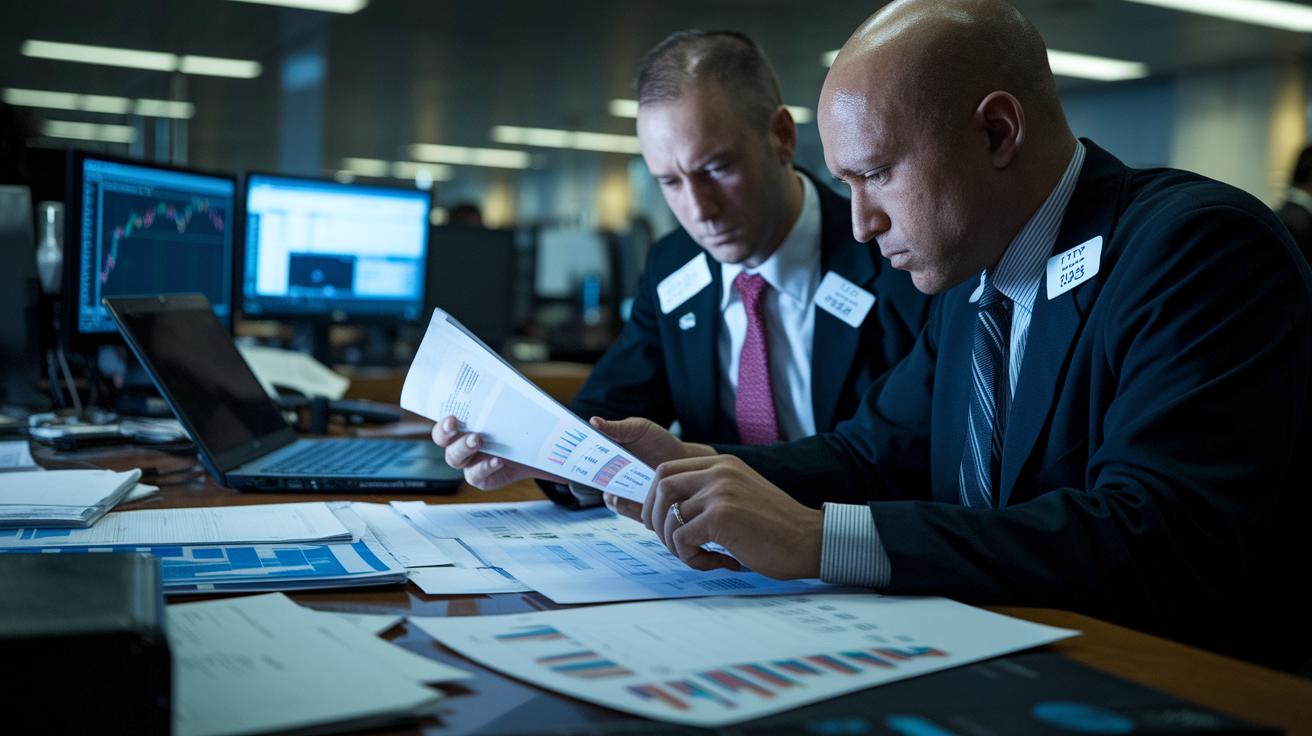
Wednesday 4 March 2020 started with whispers from Italy, but Indian indices were still only 7 per cent off highs. Our algorithmic futures strategy, running ₹58 lakh, caught early signals and went net-long after a 1 per cent dip, exactly when WHO upgraded Covid-19 risk. The afternoon saw relentless selling, then global futures locked limit-down overnight. By Thursday’s gap-down our hedges were inadequate; correlation spiked and both legs of our pair trades lost. We were forced to liquidate at market, crystallising a ₹15 lakh loss, 26 per cent again. The bounce that followed was swift, but we spent ten long weeks rebuilding capital.
Lesson Pack #2: Correlation Kills Diversification

Covid taught us that in a true systemic shock everything you thought was uncorrelated suddenly moves as one. Our pairs-trading model underestimated tail risk because the look-back window contained no 2008-style data. We fixed that by stress-testing portfolios against events outside our sample: terror attacks, flash crashes, currency devaluations. We also replaced static hedges with dynamic volatility breaks; when VIX breaches 30 we automatically cut gross exposure by half regardless of signals. Finally we added a hard stop: if daily drawdown hits 6 per cent, trading shuts for 24 hours. These rules turned future crisis days into scratches, not amputations.
Regulatory Rumble: The F&O Margin Shock 2021

On Friday 27 August 2021, SEBI’s phase-four margin rules kicked in, instantly hiking span requirements for index options. We were running a theta-capture book worth ₹62 lakh with tight overnight spreads. The unexpected margin expansion forced brokers to liquidate client positions, triggering a cascade of sells. Our portfolio bled ₹14 lakh within minutes as short gamma accelerated losses. Attempts to add collateral were stuck in banking queues, and slippage magnified every exit. Though the overall market closed nearly flat, our account closed down 23 per cent. Recovery stretched to 14 exhausting weeks marked by cautious, low-leverage trades.
Lesson Pack #3: Liquidity Is a Position Too

Margin shock made us realise cash itself is an asset class. We now carry a minimum 20 per cent of capital in liquid funds that can be pledged instantly. Before placing any complex spread we simulate worst-case margin jumps and ensure coverage without forced selling. We also cut our maximum overnight short-option exposure to 2x free cash and shifted to weekly expiries to limit gap risk. Finally, we established a ‘pre-mortem’ ritual: before every new strategy launch the team lists 10 ways SEBI, exchanges or banks could blindside us. If survival plan feels flimsy, we pass.