

Ever wondered if pop stars are more than just big names?
Take icons like Elvis and Warhol, along with today’s digital wonders. They changed the way we see art, music, and movies.
They didn’t just make headlines, they reshaped our world and set new trends.
Let's dive in and see how each icon added its own fun twist to our pop culture story.
Charting the Evolution of Pop Culture Icons: Timeline Overview
Icons are like snapshots of our world and creativity, reflecting each moment’s vibe. Over the years, art, music, and movies have brought forth legends who reshaped our idea of influence. Think back to the bold days of Pop Art in the mid-1950s, when everyday images burst onto the scene and set up the mass appeal we see now. Music and film, with their catchy beats and unforgettable heroes, also played big parts in this ongoing story.
Modern culture is a fun mashup of styles from street art to rock music. Ever notice how a classic piece by Andy Warhol or a lively work by Jean-Michel Basquiat can totally change the way you see art? It wasn't just about changing looks. These icons tore down old boundaries between fine art and pop culture, leaving a legacy that still speaks to us all.
| Year | Icon | Medium | Significance |
|---|---|---|---|
| 1950 Elvis Presley | Music | First global rock star | |
| 1962 Warhol’s Monroe | Art | Celebrity portrait breakthrough | |
| 1977 Star Wars | Film | Hero archetype redefined | |
| 1981 MTV Launch | TV | Music-video revolution | |
| 1996 Spice Girls | Music | Girl-power global phenomenon | |
| 2007 YouTube Viral | Digital | Democratized fame |
Each of these moments wasn’t just a snapshot of its time, they paved the way for what came next. From Elvis’s electric stage presence to the digital buzz of YouTube stars, every breakthrough wrote a new page in the pop culture playbook. And even today, these game-changing events continue to spice up our media and creative expressions, keeping the legacy fresh and ever-growing.
Origin Stories of Pop Culture Icons: From Silver Screen to Airwaves

After World War II, big changes in TV and radio flipped the way art and music reached us all. Suddenly, the flicker of a TV screen and the hum of a radio set became modern symbols, speaking to everyday people with fresh images and catchy sounds. It was like stepping into a whole new world of visual storytelling that mirrored everyday life.
Andy Warhol totally changed the game in modern art with his groundbreaking gallery shows. Once known for his commercial magazine illustrations in the early ’50s, he shifted gears and gave us a whole new perspective. His bold and lively exhibits brought mass-produced pictures into art galleries, creating what everyone now calls pop culture iconography. Warhol's playful use of repeating images and eye-popping visuals not only shook up traditional art scenes but also celebrated the beauty of the everyday in a way that felt completely new and exciting.
Then there’s Jean-Michel Basquiat, whose journey from city streets to art studios was nothing short of amazing. Starting out with edgy graffiti on the walls of New York City in the late ’70s, he captured the raw, unfiltered vibe of urban life. By the early ’80s, his gritty art had made the leap into galleries, turning street scribbles into respected cultural statements and solidifying his spot as a major figure in celebrity transformation.
Mainstream Ascent of Pop Culture Icons: 1980s to 1990s Media Boom
MTV burst onto screens back in 1981 and changed entertainment forever. It wasn’t just about music anymore; artists suddenly had a stage full of flashy visuals and catchy tunes that made you feel every beat. Imagine watching your favorite star shine under the shimmering glow of stage lights, it felt like the whole world was coming to life right in front of you.
Here are five major moments that reshaped fame:
- MTV Debut (1981)
- “Thriller” Premiere (1982)
- Nintendo Entertainment System Boom (1985)
- Friends Premiere (1994)
- Spice Girls Debut (1996)
Each of these events flipped the script on celebrity and culture. MTV’s launch, for example, turned old-school performances into full-on visual stories. Michael Jackson’s “Thriller” video was a game changer, it showed us just how magic a music video could be. At the same time, video games like the Nintendo Entertainment System brought a whole new level of fun, letting fans interact with their favorite characters in a playful world.
TV shows like Friends captured hearts with their light and easy style, making everyday moments feel epic, while the Spice Girls sparked a wave of energy and empowerment that resonated with millions. Marketers quickly caught on too, mixing TV ads, magazine spreads, and cool merchandise to build superstar images that felt both larger than life and totally relatable.
It was a time when every new show, video, or game wasn’t just entertainment, it was an invitation to join in the excitement and experience fame in a whole new way.
Digital Age Reinvention of Pop Culture Icons: Social Media and Streaming
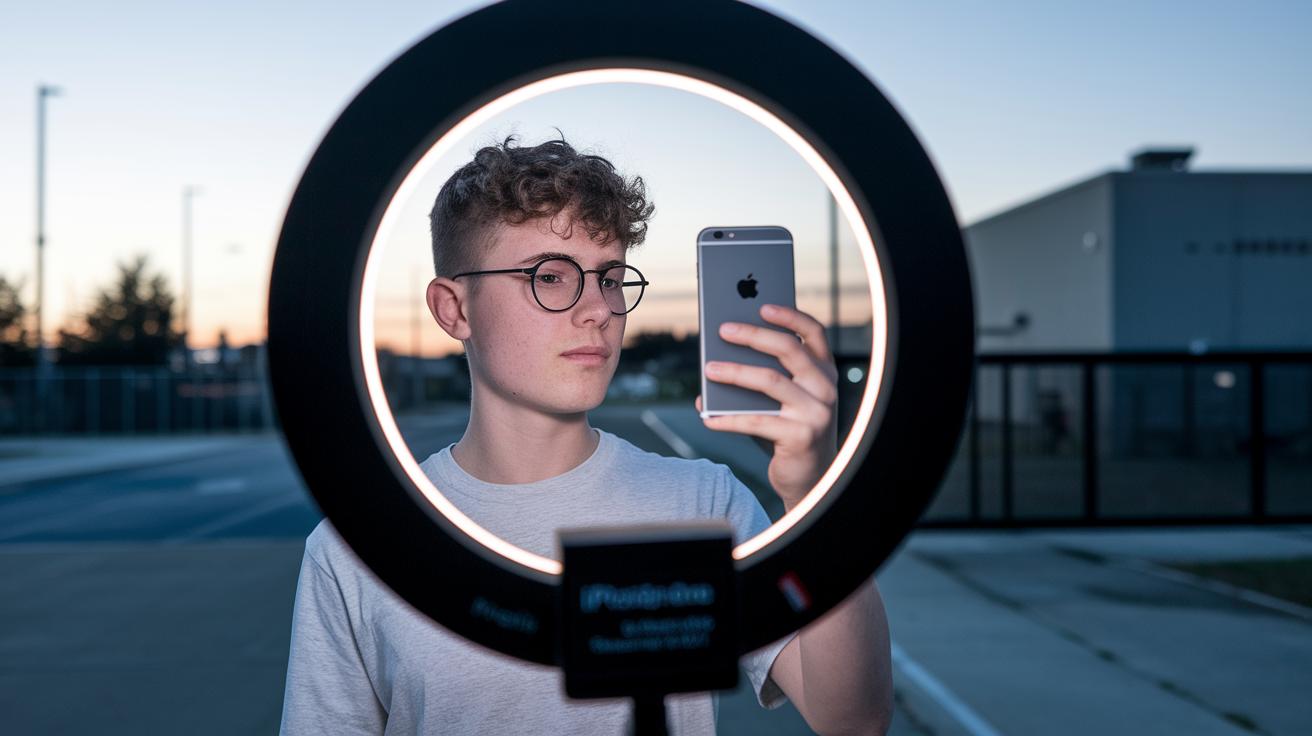
YouTube set off a wave of viral moments that changed what it means to be famous. Remember when a young singer became a breakout star overnight simply because someone uploaded a fun video? These early internet sensations lit a spark, showing us that anyone with a camera and a dream could grab the spotlight and kick off trends that are still buzzing around today.
Then came the rise of Instagram and TikTok. These platforms became the go-to spots where creators could instantly reach millions. Ever noticed how a quirky dance or a clever remix can turn into a global craze before you know it? With digital algorithms spotlighting content that feels just right, niche influencers began turning their passions into power. Fans jumped in, making the whole creative process feel like a big, fun party that celebrated spontaneity and creativity.
Streaming services like Netflix completely flipped the script on how we enjoy pop culture. Instead of waiting week after week for a new episode, we now have the luxury of binging entire seasons in one go. This new way of storytelling lets us dive deep into characters and plots, making the watching experience all the more immersive. As we scroll through endless shows, streaming not only gives us easy access to lots of great content but also spotlights fresh talents who make headlines with every like, share, and unforgettable moment on screen.
Case Study Analysis of Pop Culture Icon Transformations
Wonder Woman: 1941 comics → 2020s films
Wonder Woman shows us how a timeless hero can evolve while keeping her fierce spirit. Early comics gave her a classic, mythical vibe, like a legendary tale told in bold strokes. Today’s films burst with vibrant visuals and modern twists, blending the old-school costume magic with digital sparkle.
Batman: 1966 series → Nolan’s 2008 Dark Knight
Batman has made a cool jump from a light, playful TV detective to a brooding, complex vigilante. The 1966 series was all fun, colorful sleuthing, but Nolan’s Dark Knight pulls you into a gritty, shadowy world that feels as real as the streets at night.
Pennywise: 1986 novel → 2017/2019 film franchise
Pennywise’s makeover is wild. The spooky novel set the stage for a creepy character that sent shivers down your spine. Fast forward to the movies, and state-of-the-art effects and moody makeup ramp up the terror, giving the character a fresh, modern scariness without losing that original eerie charm.
Michael Jackson: Motown child prodigy → King of Pop persona
Michael Jackson’s journey is like watching a spark turn into an inferno. Starting out as a brilliant child star, he transformed into the King of Pop through groundbreaking dance moves and a stage presence that lit up every room. Every show felt like a dazzling, unforgettable celebration.
Lady Gaga: underground singer → global style-trendsetter
Lady Gaga’s evolution from an underground rebel to a global fashion icon is nothing short of inspiring. Her early days were all about raw, edgy energy, and as her style grew, every bold outfit and musical twist turned into a statement of pure creativity and fearless innovation.
Media Influence on Evolution of Pop Culture Icons: Impact & Legacy

Pop Art totally reshaped how we see celebrities by mixing bold images with mass appeal. New media studies tell us that its vibrant colors and eye-catching designs really helped boost public recognition. Imagine this: before a film star was celebrated, one striking Pop Art poster completely transformed their image.
Today, reboot culture takes these classic vibes and gives them a modern twist by using digital tools and cool channels like podcasts and social media clips. Over 60% of modern fans say they feel closer to familiar faces when studios blend old-fashioned storytelling with fresh, high-tech visuals. It's like watching the magic of classic films merge with today's digital sparkle.
Nostalgia also plays a huge role in fashion, gaming, and advertising. Retro styles get a new life when mixed with current trends, sparking fresh ideas that set the stage for modern takes on timeless looks. This creative mashup brings the best of both worlds, reminding us of the glittering past while lighting up today's scene.
Final Words
In the action, we traveled through decades marked by bold moves and eye-catching milestones, from album covers to behind-the-scenes reveals.
The post spotlighted key moments and case studies that show how changes in art, film, and digital media keep reshaping fame.
Seeing this timeline reminds us that the evolution of pop culture icons is a blend of creativity, innovation, and pure star power. Stay excited for what comes next!
FAQ
What does the evolution of pop culture icons timeline show?
The evolution of pop culture icons timeline shows how figures have shifted from early art and music legends to today’s digital stars, marking key cultural changes that shaped visual imagery and celebrity influence.
What are pop culture icons of all time?
Pop culture icons of all time include iconic figures like Elvis Presley and Marilyn Monroe, whose groundbreaking contributions in art, music, and film continue to shape societal trends and inspire future generations.
How do pop culture icons today and 21st-century icons impact media?
Pop culture icons today, especially in the 21st century, impact media by blending traditional celebrity appeal with digital innovations, creating stars who engage audiences through social platforms and streaming content.
What does a pop culture icons list include?
A pop culture icons list includes major figures from art, music, film, and digital media who have made lasting impressions on society and helped define trends that resonate across generations.
Who are the major pop culture icons of the 20th century?
Pop culture icons of the 20th century, like Elvis Presley and Marilyn Monroe, broke new ground in their fields, setting the stage for the modern celebrity culture that evolved into today’s dynamic entertainment landscape.
What about female pop culture icons and the list of cultural icons?
Female pop culture icons stand out for their powerful contributions in music, film, and art, and they are featured on broader lists of cultural icons, celebrating diverse achievements that continue to influence trends and inspire creativity.