

Ever thought about how a plain soup can could spark a burst of creativity? Back in the 1950s, pop art flipped the script by turning everyday items into bold, eye-catching art. These artists broke the old art rules and showed us that even your average soda can can become a pop icon. It's like they painted a whole new way to see beauty, proving that art isn't just in galleries, it’s all around us, lighting up our daily lives.
Pop Art Culture: A Comprehensive Overview
Pop art exploded onto the scene in the 1950s in the UK before making its way over to the USA in the early '60s. This art movement was all about ditching old-school styles and drawing inspiration from everyday life, like ads, consumer products, and even street signs. Bold colors like red, yellow, and blue mixed with sharp, clear shapes quickly became its signature. Fun fact: before pop art took off, ordinary items like soup cans and road signs were pretty much off-limits in creative circles.
British trailblazers like Richard Hamilton and Eduardo Paolozzi started playing with collages and borrowed images to poke fun at a society obsessed with buying stuff. Meanwhile, over in the US, artists like Andy Warhol, David Hockney, and Roy Lichtenstein were busy using mass production techniques to repeatedly showcase familiar images, all to flip the idea that only traditional art was worthy of attention. Ever think about how a simple comic strip can flip into an art icon? That’s exactly what they did!
Pop art didn’t just change art as we knew it; it became tightly woven into popular culture. It shook up advertising and design in a big way, leaving a mark on how we tell visual stories. This creative boom captured the excitement of a media-driven society, changing forever the way we see everyday beauty.
Origins and Evolution of Pop Art Culture in the UK

Back in the early 1950s, a bunch of creative minds at London's Institute of Contemporary Art sparked a change that totally reshaped pop art. Led by Richard Hamilton and Eduardo Paolozzi, these trendsetters formed the Independent Group and jumped on what people called "propaganda art" at the time. They got into collage (basically piecing together bits from different places) and image appropriation to playfully mock how we consume things, all while nodding to the mass media buzz. Picture everyday items like packaging, newspapers, and comic strips turning into witty, sharp social commentary.
It was almost like turning a normal day into a flash of genius, a simple ad on a canvas could suddenly become a cheeky poke at society, and a scrap of a paper could burst into a vibrant critique of consumer trends. This fresh style injected new energy into the art scene, inviting everyone to see beauty and laughter in the unlikeliest places. Their work mixed the pulse of mass media with tongue-in-cheek insights that questioned a society fixated on buying power and surface-level glamour.
Their fearless dive into new ideas completely transformed modern art, opening the door for future movements that blend everyday commercial images with real, thought-provoking art.
Andy Warhol Legacy within Pop Art Culture
Andy Warhol really flipped the art world on its head with his bold silkscreen printing. Take his 1962 Campbell’s Soup Cans, for example, it’s a playful twist that turns everyday items into art. He blended business-like production tricks with fine art, making us see everyday objects in a whole new light.
His famous pieces like the Marilyn Diptych and Gold Marilyn Monroe showcase his knack for repeating images with a fun twist. Each print feels special, even when it’s part of a series. It’s like watching a cool commercial where every frame whispers a different secret about fame and consumer culture. Ever notice how a repeated photo can still feel unique each time?
By mixing mass production techniques with art, Warhol made ordinary icons shine like high-end legends. He wasn’t afraid to tweak the rules on originality while giving a nod to the glittery world of celebrity. His work sparks creative thinking and reminds us that art can be found in everyday life, shining with a cool, memorable glow.
Visual Characteristics and Techniques in Pop Art Culture
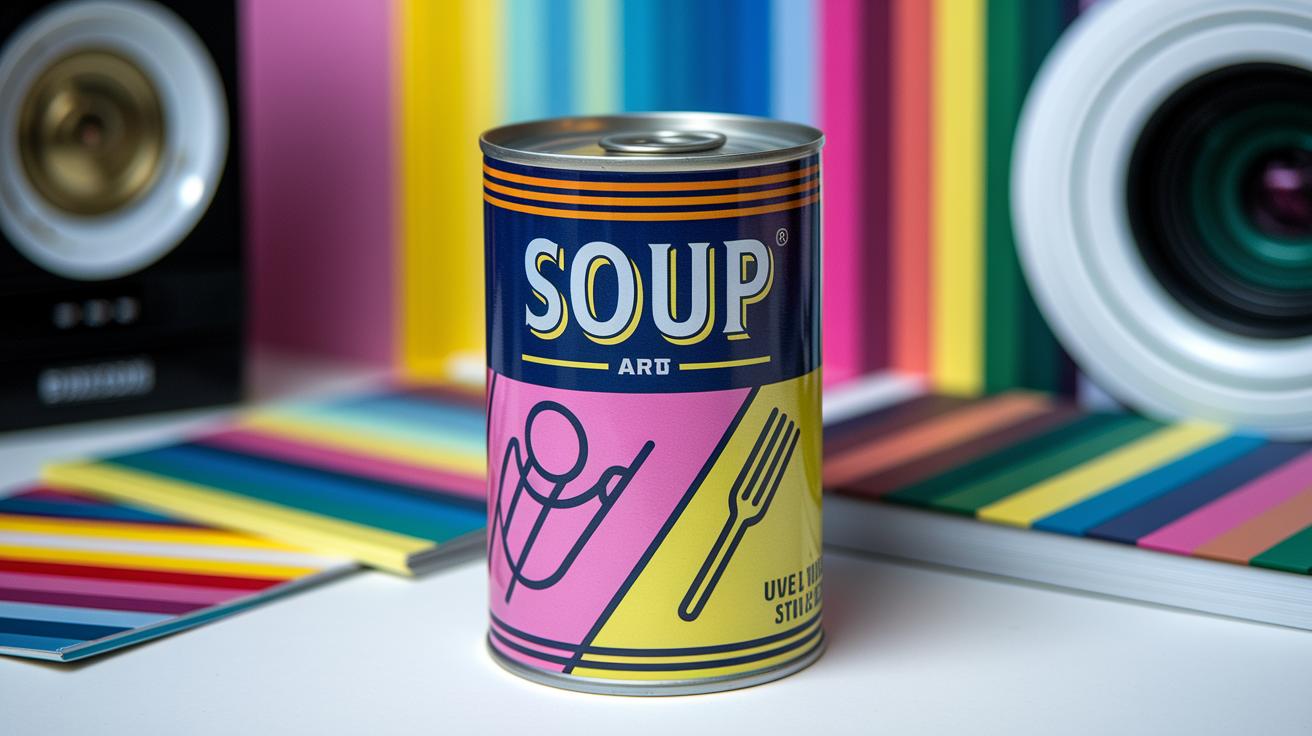
Pop art culture is all about explosive colors that grab you right away. Think bright primary colors mixed with neon shades, crisp lines, and fun shapes that instantly energize any artwork. It’s like stepping into a live comic book where bold dots, action bubbles, and strong outlines work together to create a playful yet unforgettable image. Imagine this: a simple soup can transformed into a modern icon by a visionary artist who saw extraordinary art in everyday things.
Key techniques include screen printing, collage, and image repetition. These methods take images from ads, magazines, and packaging and remix them into designs that blur the lines between ordinary design and fine art. Picture it like building a puzzle, each piece adds to a lively picture that reflects the buzz of mass media and a bit of social commentary.
| Technique | Description |
|---|---|
| Screen Printing | Reproducing images with a commercial touch |
| Collage | Piecing together familiar images for a fresh look |
| Image Repetition | Creating rhythmic patterns that captivate the eye |
These signature symbols, often connected to pop culture iconography, continue to influence today’s graphic design and comic art.
Pop Art Culture’s Influence on Advertising and Consumer Culture
Pop art totally changed the ad game by splashing everyday product images with bright, playful vibes. Back in the swinging '60s, ad folks grabbed pop art’s vivid colors and mass-made style to freshen up everything from posters to product packaging. Imagine a product label that looks like it just leaped out of a comic book, it was that fun and unexpected!
Companies started using repeated images and bold graphics, reflecting a booming post-war love for cool, accessible art. They mixed familiar icons with a creative twist, blending smart business ideas with an artistic flair that made everyday items feel like mini masterpieces. Some companies even turned regular packaging into mini art galleries, sparking fun chats right on store shelves. This smart fusion not only cut production costs but also gave brands an ever-changing, living art vibe that captured the spirit of the times.
Contemporary Pop Art Culture and Street Art Interplay

Modern pop art is lighting up the streets in a way that's totally eye-catching. Neo pop artists are turning plain walls into bursts of color that feel like scenes from your favorite comic book. Think of a dull alley suddenly becoming a playground of spray-painted magic, with each bold line and splash telling its own wild story.
The mix of street art and pop art is shaking things up, too. Local creatives are grabbing old-school pop art symbols, vintage poster vibes, celeb pictures, even slick digital prints, and remixing them into public art that speaks to our fast-paced world. Ever notice how a twist on a classic image can feel like a cheeky nod to today's life? It’s like piecing together a visual puzzle where every fragment shouts out its own quirky, creative message.
This kind of urban storytelling connects everywhere, from buzzing street corners to buzzing online feeds. The vibe is electric, inviting everyone to see art as a lively conversation happening right in the heart of the city. In truth, the fresh blend of pop art flair with raw street energy is completely redefining how we experience creativity every day.
Final Words
in the action of exploring pop art culture, we journeyed through its bold beginnings, the genius of Warhol, and its visual signature with loud colors and comic influences. We looked at art's playful punch in advertising and the modern street look that keeps audiences buzzing. Each section dug into a unique angle, combining history with fresh takes. The spotlight on pop art culture reminds us that art can be both a mirror and a muse, leaving us feeling upbeat and inspired by its endless energy.
FAQ
What is Pop Art?
The pop art is a modern art movement that started in the mid-20th century and uses bright colors, bold shapes, and images from everyday life to challenge traditional art norms.
What are some examples of Pop Art?
The examples of pop art include works like Andy Warhol’s Campbell’s Soup Cans and Roy Lichtenstein’s comic-inspired pieces, featuring familiar everyday objects and commercial images.
What are key facts about Pop Art?
The key facts about pop art include its emergence during the 1950s and 1960s, its use of vivid colors, image repetition, and incorporation of mass media and consumer culture themes.
Who are some major Pop Art artists?
The major pop art artists include figures like Andy Warhol, Roy Lichtenstein, Richard Hamilton, and Eduardo Paolozzi, who pushed art boundaries by turning everyday objects and media images into art.
What are the cultural influences on Pop Art?
The cultural influences on pop art come from mass media, advertising, celebrity images, and everyday consumer goods, reshaping art by reflecting the world of popular culture around us.
Is Pop Art considered part of popular culture?
The pop art ties into popular culture by blending fine art with everyday commercial visuals, making art accessible and reflective of the consumer-driven world we live in.
How does Pop Art differ from other art forms like op art, performance art, surrealism, cubism, and impressionism?
Pop art differs from these styles by focusing on common commercial imagery and mass production techniques, contrasting with the abstract, emotional, or experimental approaches found in other art forms.