

Ever wonder why pop culture art catches your eye with such bold visuals? It all kicked off in the 1950s when artists began turning everyday scenes into stunning works that fired up creativity across the US and UK. Artists like Warhol wowed us by taking ads and comic strips (those fun, simple stories) and flipping them into art that still speaks to us today.
Nowadays, modern creators blend internet memes (those viral, funny images) with familiar icons to spark the same excitement. In this art world, ordinary images transform into powerful symbols that challenge how we see the world and remind us to celebrate everyday beauty.
Pop Culture Art Explained: Defining the Movement and Its Visual Appeal
Pop art kicked off in the UK and US back in the 1950s and 60s as a cool, creative pushback against abstract expressionism. It grabbed ideas from everyday stuff like ads, comic books, and consumer goods, turning the mundane into eye-catching art. In 1957, Richard Hamilton famously asked, "Just what is it that makes today’s homes so different, so appealing?" That question laid the first brick for a movement that celebrated the beauty of everyday scenes, almost like saying, "Before mass media took over, even a grocery list or a comic strip had a secret spark ready to ignite an artistic revolution."
The art world was shaken up by its bold visuals and fresh techniques. Andy Warhol’s Marilyn Diptych from 1962 is a prime example. Warhol used repetition and bright colors to print celebrity portraits with a mass-production vibe, and alongside artists like Roy Lichtenstein, he showed us a whole new way to look at familiar icons. Their work felt both easy to relate to and surprisingly thought-provoking, mixing fun with a hint of criticism about our consumer-driven world.
Today, pop culture art carries that legacy into the digital scene. Modern artists mix in celebrity portraits, internet memes, and various media that mirror our screen-filled lives. Think of it as neon bursts lighting up a bustling city night, transforming ordinary images into something fresh and exciting that invites everyone to look at everyday life with new eyes.
Pop Culture Art History: Timeline from Mid-20th Century to Digital Era

This timeline shows pop culture art’s cool journey from the mid-1900s to the lively digital scene we see today. Each era brings a fresh take on how familiar images are used to question everyday norms and mirror big cultural shifts. Below, you'll find five key periods that highlight changes in techniques, iconic motifs, and the conversations that heated up each milestone. It’s like watching everyday visuals transform into bold colors and digital reinventions, step by step.
| Year | Milestone | Artist/Movement | Significance |
|---|---|---|---|
| 1957 | Richard Hamilton’s collage “Just what is it…” | Early Pop Pioneers | Used everyday images to shake up the traditional art scene. |
| 1962 | Marilyn Diptych | Andy Warhol | Featured bold color contrasts and repeating images to mimic mass production. |
| 1960s | Incorporating comic aesthetics | Roy Lichtenstein | Brought in comic book touches like Ben-Day dots to mix pop art with fine-art ideas. |
| 1980s | Neon hues and celebrity portraits | Curated Exhibitions | Showcased a vibrant visual language that captivated audiences with bright, energetic displays. |
| 2000s–2025 | Rise of digital memes and personal branding | Modern Digital Artists | Blends internet culture with high art, changing how personal stories and art connect. |
From handmade collages to layered digital works, pop art has been in a constant state of reinvention. Each period not only refines the style but also mirrors shifts in public mood and media trends. Look at these milestones and you’ll see how visuals can both challenge and celebrate our common culture, sparking passion and excitement through the years.
Key Styles and Techniques in Pop Culture Art
-
Neo-dada approaches bring everyday objects to life by transforming the plain and usual into sharp commentary about the way we consume. Picture this: a soda can turned into art that makes you stop and question your daily habits.
-
Innovative collage techniques work like a fun visual puzzle, where artists slice up magazine and newspaper clippings. Each little piece adds more layers and meaning to the overall story.
-
Pulp culture influences burst with bold lines and simple primary colors. It’s like the vivid panels of your favorite comic book that spark both energy and a warm dose of nostalgia.
-
Repetition motifs use methods like silkscreen prints to echo familiar images again and again. This technique mirrors our everyday world of mass production, turning icons into regular, eye-catching sights.
-
Pop sculpture takes everyday consumer items and turns them into three-dimensional critiques of mass consumption. Think of soft sculptures that make you see objects as both useful and surprisingly meaningful.
-
Digital creation techniques blend modern digital aesthetics by remixing memes and GIFs with traditional art forms. This mix creates a fresh, modern twist that really vibes with today’s screen culture.
Influential Pop Culture Art Icons: From Warhol to Contemporary Innovators
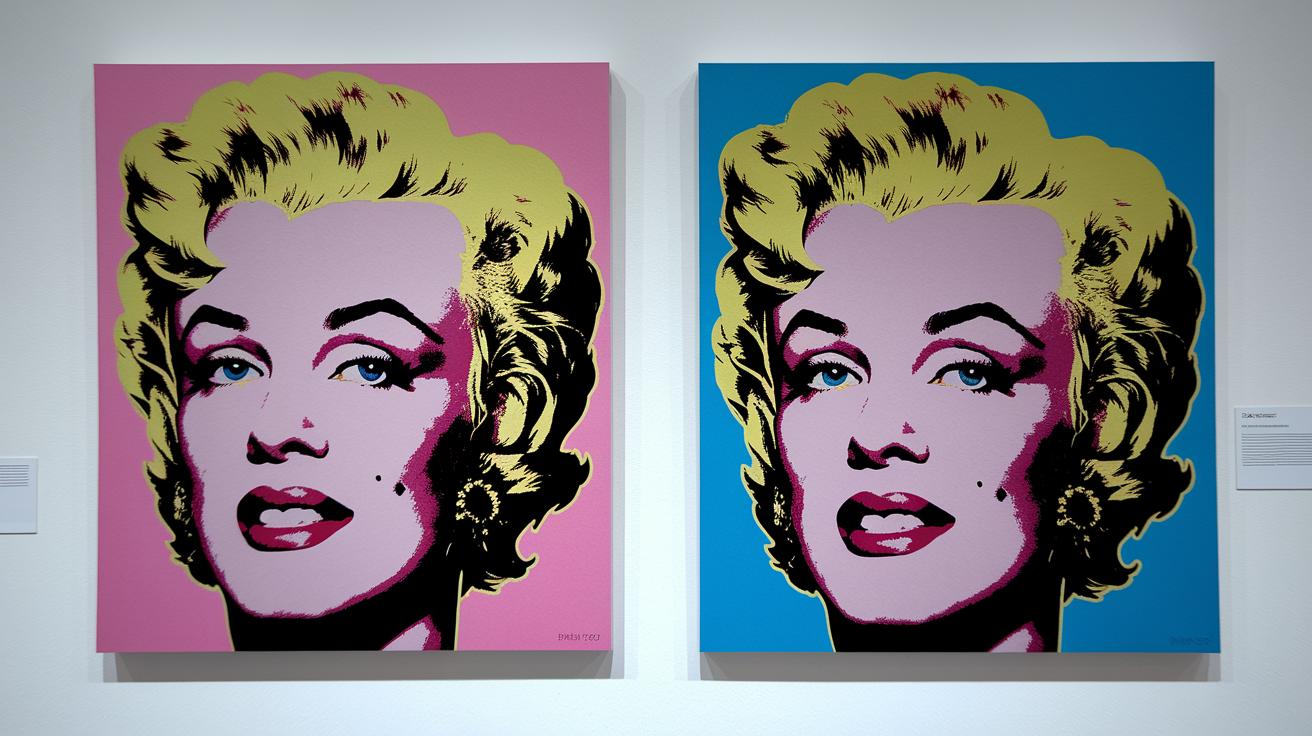
Andy Warhol changed the art game by using silkscreen repetition to turn everyday celeb pics into unforgettable icons. His Marilyn Diptych shows just how art can capture our fascination with stars while making us question why we love them so much. Roy Lichtenstein took a wild twist on comic strips with bold Ben-Day dots (a neat printing trick that uses tiny dots for color) and bright, vibrant hues, making art feel like you’re flipping through your favorite comic book. Warhol’s work shook up old ideas and brought a burst of new energy to what we see in mass media.
Both Warhol and Lichtenstein flipped our view of the familiar. They mixed parts of everyday life with fine art, turning simple images into bold statements that still spark conversation today. Their creative moves made us see that art can be personal and public at the same time, inspiring generations to break the rules and have fun with what we consider art.
On the modern scene, Tokyo’s Geoffrey Bouillot brings a cool, minimalist vibe with his machine-like, black-and-white portraits that feel both futuristic and cozy. Over in the UK, Charlotte Rose makes faceless celebrity prints that challenge what branding means and give a fresh spin to femininity. Meanwhile, Spanish artist Coco Dávez crafts abstract portraits of cultural icons, letting her art speak volumes in a silent and intriguing way. Each piece stirs up conversations among art fans everywhere.
New York’s Jerkface turns cartoon styles upside down with quirky distortions that mix playful satire and sharp wit. Dutch creator Joseph Klibansky blends fantasy with a touch of luxury through bronze inflatable-animal sculptures that push the limits of traditional art. And in France, street artist Invader captivates onlookers with pixelated mosaics inspired by retro video games, reminding us that pop art is as daring as ever. Their bold visuals spark global excitement and keep the pop art scene buzzing.
Pop Culture Art Bold Visuals Ignite Fan Passion
Interactive art installations are taking over, inviting everyone to join the fun. Imagine stepping into a VR experience or a projection-mapping show where you’re not just watching, you’re an essential part of the story. It’s a whole new way to enjoy art.
Ever noticed how urban street murals burst with energy? Artists from around the world use city walls to share fresh takes on social issues, splashing bold graphics that turn everyday spaces into outdoor galleries.
Shows like True Colors and Made in America in Saint-Tropez mix celeb magic with fine art, proving that immersive visuals can dissolve the barrier between art and its audience. It’s like turning a gallery visit into an interactive party.
At festivals, fans and collectors can grab limited-edition prints while checking out themed displays that perfectly capture the digital era vibe. Social media projects pump up the excitement with hashtags and memes, making art a part of our everyday chatter.
This cool mix of real-world installations and digital surprises shows that pop culture art stays vibrant, engaging, and ready to spark passion in communities everywhere.
Final Words
in the action, our post traveled through the dynamic evolution of pop culture art, from its 1950s roots to today's digital and interactive highlights. We uncovered classic moments like Warhol’s Marilyn Diptych and explored the bold techniques that continue to captivate audiences.
This vibrant exploration shows how pop culture art keeps reinventing itself. The scene remains exciting and accessible, inviting everyone to join the conversation and relish each new twist in this creative world.
FAQ
What are pop culture art paintings?
The pop culture art paintings mix everyday imagery with bold colors and commercial techniques. They reinterpret advertising elements and comics to create lively visuals that resonate with modern viewers.
What are some famous pop culture art examples?
The famous examples include Andy Warhol’s Marilyn Diptych and Roy Lichtenstein’s comic-inspired works. These pieces use vibrant colors and repetitive imagery to echo mass media and consumer culture.
What pop culture art ideas are trending today?
The trending ideas in pop culture art range from vibrant prints to digital works influenced by internet memes and interactive installations. They reimagine consumer themes using both traditional and modern techniques.
What is pop art culture?
The pop art culture is a creative movement from the 1950s and ’60s that uses advertising and everyday images to challenge art norms. It brings familiar visuals into the art world with fresh, engaging twists.
What is an example of pop art?
The example of pop art most recognized is Andy Warhol’s Marilyn Diptych, which employs repeated silkscreen prints and vivid hues to comment on celebrity culture and the rapid pace of consumer society.
Is pop culture a form of art?
The pop culture is made visible in art that captures modern life themes like celebrity imagery and trending digital content. It offers a unique blend of traditional art elements with contemporary social commentary.
How does pop art compare to other art movements like Cubism and Surrealism?
The pop art differs from movements such as Cubism and Surrealism by focusing on everyday consumer imagery and mass media. It favors bright, bold visuals and repetition over abstract or dreamlike interpretations.