
Have you noticed our conversations suddenly lighting up with fresh, trendy expressions? Lately, it seems like our everyday chats are borrowing cool phrases straight from hit movies, binge-worthy TV shows, and those catchy tunes on the radio.
It’s as if each fun word sends a spark through our talks, adding an unexpected twist that makes everything feel more lively. In this post, we’re diving into how these slang trends spread and bond us in ways we might not expect, turning every conversation into a little burst of excitement.
Pop culture language Sparks Vibrant Slang Trends
Pop culture language is like a magical mix of slang, buzzwords, and cool idioms that sneak into our chats every day, all thanks to movies, music, and TV. It’s that special sauce that spices up our conversations and makes them fun. And if you ever wonder, "what is pop culture?" (visit https://poposy.com?p=120), you'll find it’s an eclectic blend of expressions from our favorite shows, songs, and viral moments.
Nowadays, English is a key player. With around 1.5 billion speakers worldwide, it's like the thread that ties us all together. Think about today's hit songs – while old music once reflected classical traditions from Vienna, modern chart-toppers are mostly sung in English. Here’s a fun fact: before landing a breakthrough hit, an indie artist casually dropped a quirky phrase that turned into a global catchphrase overnight. That shows just how fast a unique turn of phrase can jump into our everyday talk.
Media outlets, whether on TV or online, speed up this change by showcasing fresh words. Every time a movie debuts or a hit show airs memorable dialogue, those phrases slip right into our vocab and give our conversations a new vibe. Sure, some critics worry English might overshadow other languages, but voices from everywhere are adding their own local flavors too. This mix of international styles and homegrown talk keeps pop culture language endlessly dynamic and all kinds of relatable.
How Films & TV Shape Pop Culture Language

Movies and TV are kind of like that one friend who mixes up a killer cocktail, they blend words and phrases that end up defining our everyday chat. Back in the early days, Hollywood figured out that filming on the West Coast was not only cheaper but also the perfect launchpad for films to win hearts worldwide. Think about it: those iconic lines that stick with us, like a secret code, all started as clever bits of dialogue. One famous example is "May the Force be with you" which just slipped into daily conversation like it was always meant to be.
Remember the 1950s? NBC’s TV shows were buzzing everywhere, introducing us to a whole new way of talking. It wasn’t just about watching a show, it was about connecting millions through a shared lingo. Ever notice how one quirky line can catch on like wildfire? It spreads like dominoes, turning into a catchphrase that everyone starts saying in their own unique way.
TV can really work its magic with language. Characters on our favorite shows often drop fresh slang or fun expressions that feel like they popped right out of nowhere. Before you know it, those phrases have become part of our everyday talk. Even some landmark series and offbeat commercials have given everyday speech a boost of energy and fun. In fact, recent insights reported in the latest hollywood gossip even show how reality show contestants casually adopt and popularize new slang.
Movies and television have a knack for turning words into lively, ever-changing creatures. Their dialogue is always shifting, creating a pop culture language that's full of surprises yet feels wonderfully familiar, keeping our conversations fresh and fun every day.
Song Lyrics & Symbolism in Pop Culture Language
Today’s hit songs do more than just climb the charts, they actually shape our everyday talk. Modern lyrics burst with creative metaphors and smart wordplay, turning common phrases into catchy, unforgettable lines. Imagine a lyric that makes you smile or instantly feel like you’re in on a secret; it’s like a mini language revolution. For example, picture a line that goes, "Before stepping into the spotlight, the artist scribbled dreams on napkins in a tiny diner, the kind of moment that sparked a worldwide catchphrase." Moments like these give our speech a fresh, imaginative twist.
Back in the day, great music from Vienna set the stage for classical expression, but now, pop beats in English show just how much our language has evolved. Songwriters load their lyrics with vivid images that let us connect on a real, emotional level. These playful twists blend art with everyday chatter, making old words sound brand new. Every memorable chorus and touching verse adds depth to our language and even grows our slang. In truth, this exciting blend of melody and meaning keeps inspiring fresh ways of talking that go way beyond the speakers of a hit song.
Internet Memes & Social Media Slang in Pop Culture Language

Memes and social media slang are totally changing the way we chat every day. One minute, a funny phrase might only pop up on a few posts, and the next, it's everywhere. It’s like the buzz you feel when your favorite celeb drops a new song – quick, unexpected, and oh-so entertaining.
Social media makes language feel like an ever-evolving playground. Every post, video, or meme adds a little twist to the way we speak, almost like we're all part of a spontaneous language remix. Ever watch a hilarious meme and think, “Wow, this is exactly what’s on my mind?”
Take a look at these social hotspots and the cool slang they’ve spawned:
| Platform | Slang | What it Means |
|---|---|---|
| FOMO | fear of missing out | |
| Flex | show off | |
| TikTok | No cap | no lie |
| OP | original poster | |
| Snapchat | Ghost | to cut off communication |
It’s exciting to see how these digital expressions spread like wildfire, turning everyday chatter into something dynamic and fun. Next time you scroll through your feed, keep an ear out, you never know when a simple post might spark the next big phrase!
Viral Catchphrase Origins in Pop Culture Language
Movies, tunes, and online banter mix up our everyday words in some pretty cool ways. Instead of just repeating their journey, we’re diving into how these fun phrases change over time and hit different groups. Take "I'll be back," for example, it’s got that classic movie charm and a promise that sticks around, while "WAP" set off heated chats among music fans and stirred up conversations in a flash. And then there’s "OK boomer," a snappy online comeback that shows off a unique generational twist.
| Catchphrase | Origin Category | Notable Context |
|---|---|---|
| I’ll be back | Film | From a blockbuster sci-fi action film with lasting appeal |
| WAP | Music | A provocative hit song sparking lively debates |
| OK boomer | Social Media | A sharp online retort bridging generational differences |
These phrases show off how language shifts as each new generation puts its own spin on things or creates fresh slang. Their unique vibes give us a cool glimpse into how we all play a part in shaping everyday meaning.
Emerging Trends & Future of Pop Culture Language
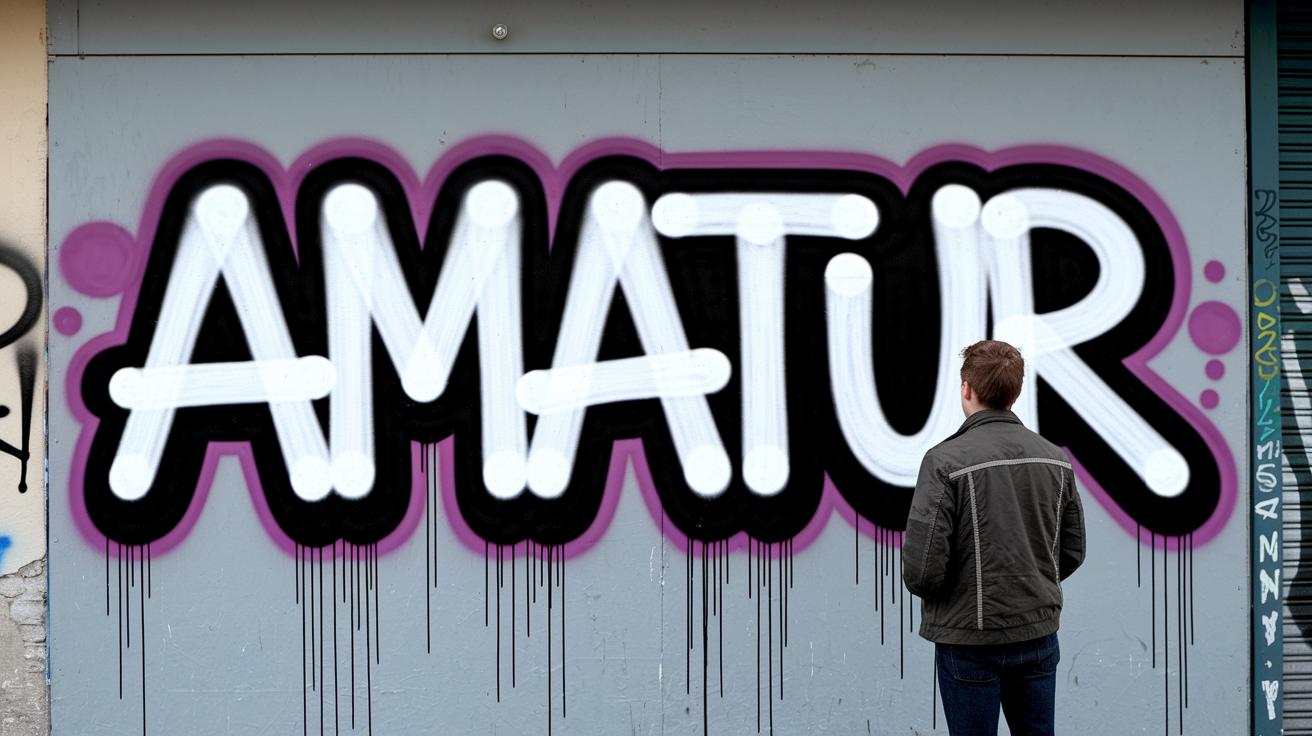
The future of pop culture language is like a box of surprises waiting to be opened. English, spoken by about 1.5 billion people, still plays the lead role in our daily chats. But, guess what? As global media pumps up the energy, creators all over the world are dropping fresh expressions into our conversations. Imagine hearing a new slang term sneak in like your favorite catchy chorus. Take this cool tidbit for example: a street artist once coined a quirky phrase that lit up local chatter overnight. Moments like that prove how new words and slang are shifting the way we talk about everything.
Some folks worry that the global splash of English might drown out native phrases. Still, the fun blend of social media slang and digital chatter is giving a unique twist to everyday language. The buzz from internet memes is mixing up with our normal talk, and it's kind of amazing. A fresh wave of creators, even those using languages beyond English, is stirring up a mix of old favorites and brand-new lingo. In short, while one language grabs the spotlight, plenty of vibrant expressions are ready to join the dance, making our everyday chats as lively and relatable as ever.
Final Words
In the action, we saw how pop culture language weaves films, TV, music lyrics, and memes into everyday chatter. The post broke down everything from catchy film dialogue to quick-hit social media slang, giving us a clear look at how entertainment shapes what we say.
Every piece of content added a fresh layer to our understanding, leaving us excited about emerging lingo and trends. Stick around, the future of pop culture language is only getting more thrilling!
FAQ
What is the language of popular culture?
The language of popular culture is the mix of everyday slang, catchy expressions, and idioms created by music, movies, and social media that shape how we chat in casual settings.
What are pop culture words and language examples?
The pop culture words and language examples include trendy slang, memorable phrases, and buzzwords that emerge from films, song lyrics, and viral online moments, enriching daily conversations with fresh vibes.
How does pop culture influence language?
Pop culture influences language by introducing new slang and expressions through media and social platforms, refreshing everyday talk and keeping conversations closely linked to current trends.
What is a culture language?
A culture language refers to the everyday expressions and idioms that form naturally among any group, often inspired by shared media, art, and collective experiences, giving their speech a familiar feel.